Evidence
Does peppermint repel mice and rats?
By the MintGuard team · Updated 26 October 2026 · Who we are
Short answer: strong smells like peppermint and clove can make an area less attractive to rodents, but they aren't a guaranteed force field. Results depend on how strong the scent is, how long it lasts, and whether the rodents still have easy food and shelter.
Why scent can work
Mice and rats find food, routes and danger mostly by smell. A strong, constant smell along their routes can cover the trails they follow, so they're more likely to go elsewhere.
Why it sometimes doesn't
- The scent fades. DIY oil on cotton balls can stop working within days.
- Food is still easy to reach. Hungry rodents will put up with a lot.
- The problem is too big. Large infestations need a professional.
Mint oil for mice: does it work?
Mint (peppermint) oil is the classic DIY version: a few drops on cotton wool by the gaps mice use. It's a fair test, but the oil evaporates within a few days, so the mice return when the smell fades. Use pure oil, refresh it every two to three days, and don't apply neat oil directly to surfaces, as it can mark them.
Getting the best results
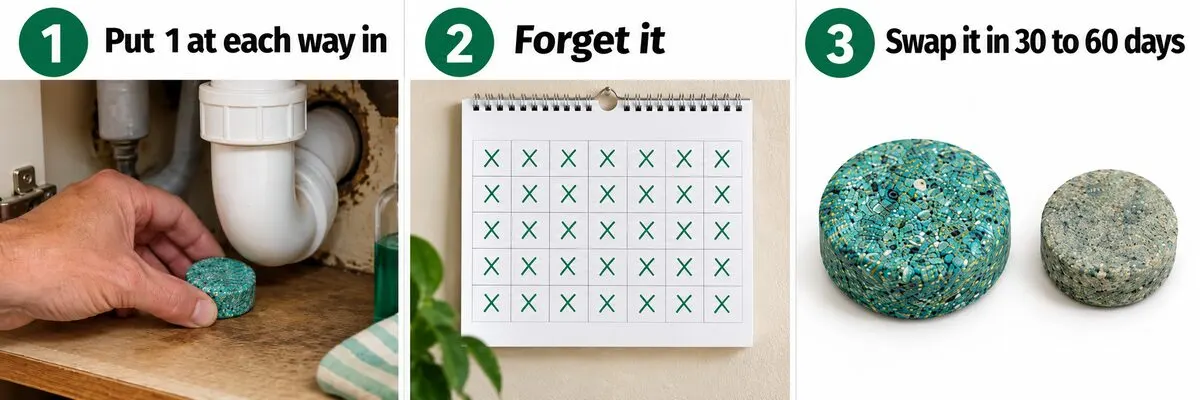
- Seal gaps with wire wool or mesh first.
- Put scent where rodents travel: along walls, behind appliances, at entry points.
- Keep the scent going. Replace balls every 30 to 60 days.
MintGuard adds castor oil to slow evaporation, so the scent lasts much longer than DIY oil. Compare them in peppermint oil vs MintGuard.
Try it risk-free for 90 days
If MintGuard doesn't help, the official shop refunds you. You get tracked UK delivery and secure Shopify checkout. How to check you're buying the real thing.