Buying guide
Mouse repellent for UK homes
By the MintGuard team · Updated 26 October 2026 · Who we are
Quick answer
A mouse repellent may help discourage visits, but it is not a reliable way to clear mice already living in a house. Start by removing accessible food, finding entry gaps and arranging suitable proofing. Evidence for scent repellents is mixed. Keep scent fresh and use it only as an extra measure. We are the MintGuard team, the makers of the product discussed here, not an independent testing service.
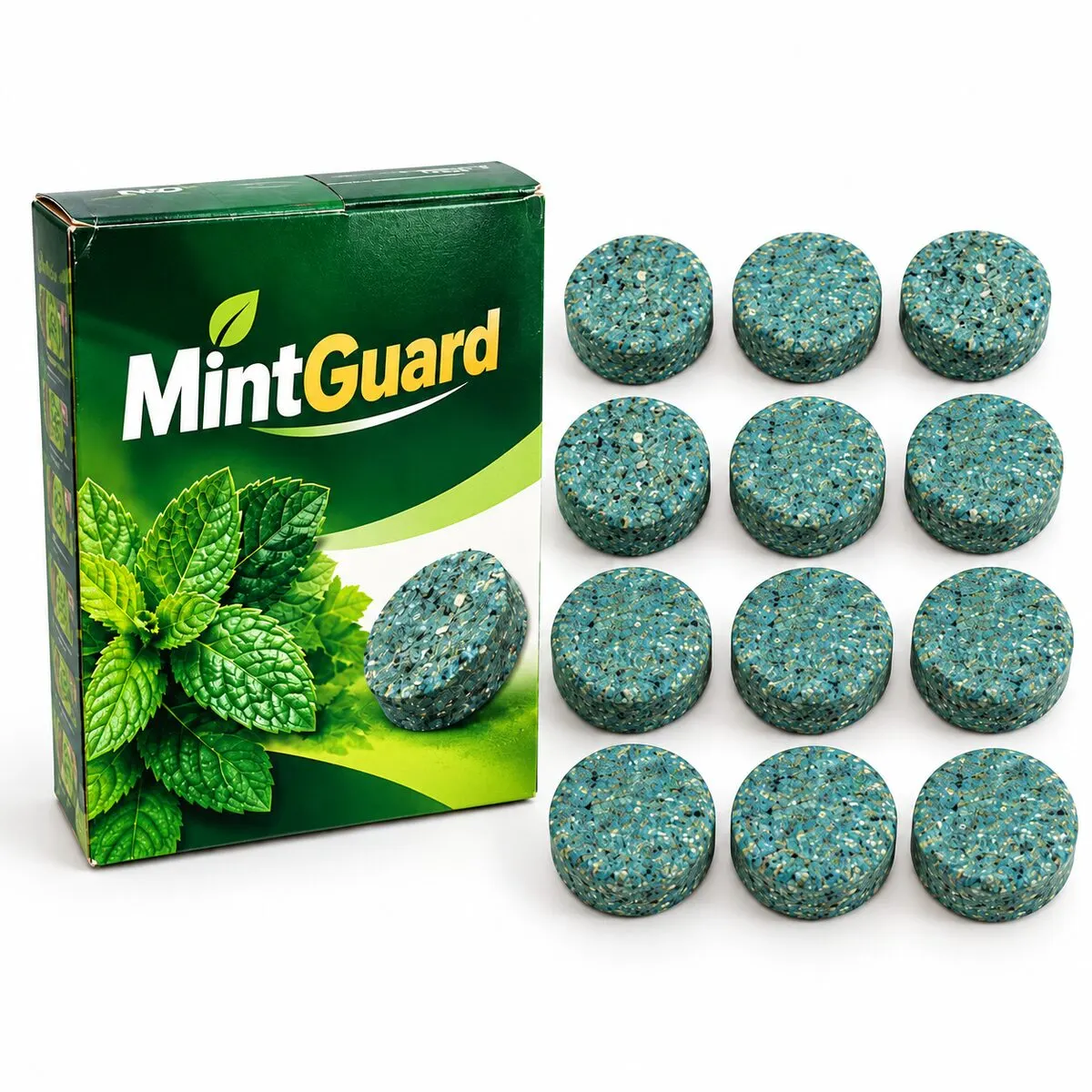
| Type | Peppermint, clove and castor oil balls |
|---|---|
| Per pack | 12 balls |
| Lasts | 30 to 60 days each |
| Poison | None |
| Guarantee | 90-day money-back |
Signs to look for
- Small dark droppings in cupboards or beside appliances warrant investigation; appearance alone does not confirm the species. Photograph them without handling them.
- Gnawed packets, nesting material or recurring noises may suggest activity. Check whether there is fresh damage rather than relying on one old mark.
- A pet staring at a kickboard is a clue to investigate, not confirmation. Avoid lifting fitted panels if wiring or plumbing makes access unsafe.
Mouse repellent for a house: start with the route, not the bottle
Finding droppings behind the toaster can make the whole kitchen feel uncomfortable. You do not need to buy several products that morning. First, keep children and animals away from the affected cupboard. Put exposed food aside, photograph the signs and note where they appeared. A simple record helps you distinguish yesterday’s mess from new activity.
Look at the surrounding room rather than just the dirty shelf. Pipe openings, the bottom of an external door and the space behind fitted units deserve attention. Do not drag out a heavy cooker or disconnect a gas appliance yourself. An inaccessible route is a reason to ask for help, not to scatter repellent where you cannot check it.
Scent mouse repellents, ultrasonic units and traps compared
Scent products aim to make a location less appealing. Peppermint and clove are common ingredients, but evidence is mixed and there is no basis for promising that a smell will clear your home. A strong smell to your nose is not proof that mice have gone. Food and shelter may still make the space attractive.
Ultrasonic units need power and their coverage depends on the layout and obstacles. Do not assume a device in the hallway protects enclosed kitchen cupboards. Traps serve a different purpose: they catch an animal rather than discourage entry. If active control is necessary, seek advice on lawful, appropriate methods and how to protect other animals. GOV.UK explains these responsibilities.
Where MintGuard fits in a mouse-proofing plan
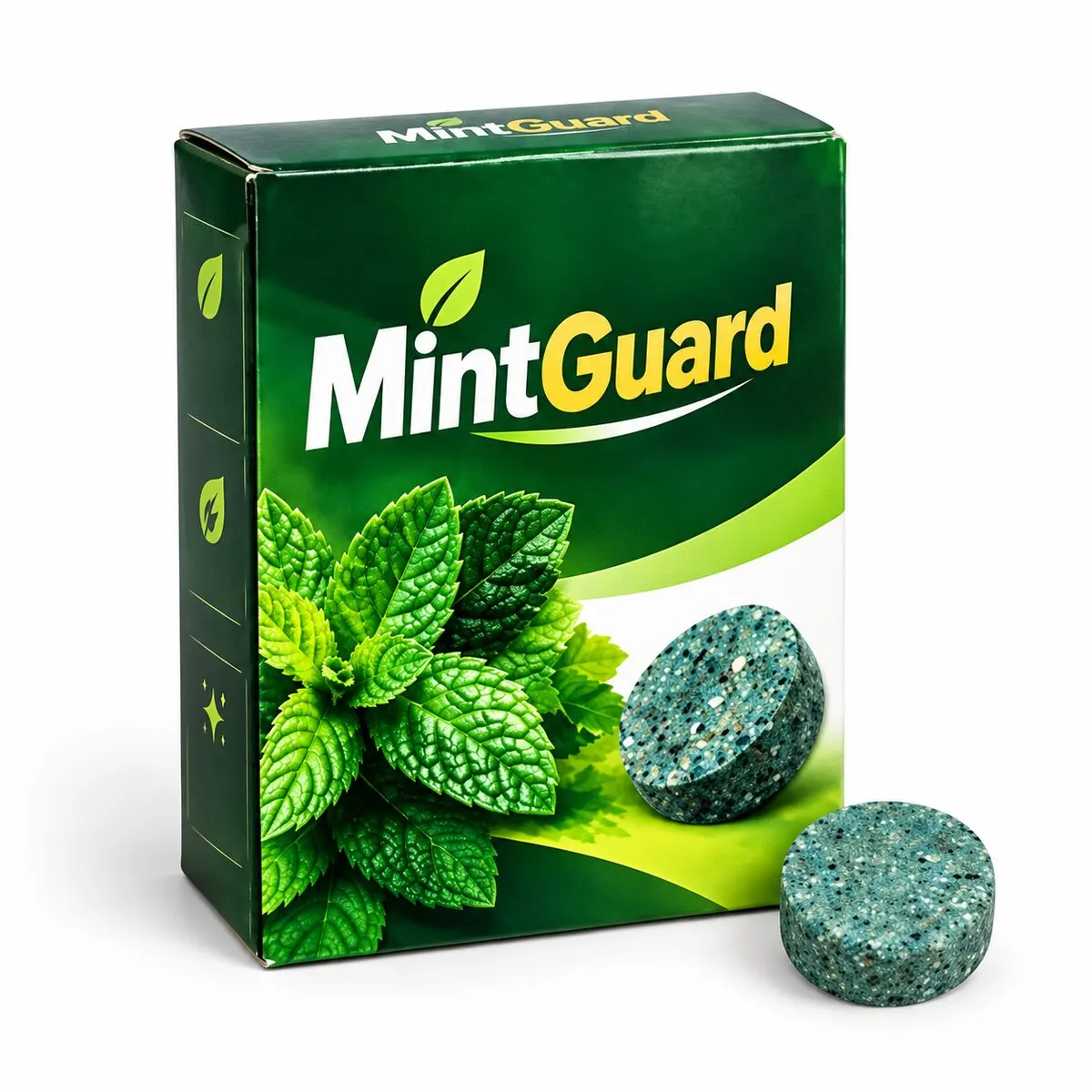
MintGuard contains peppermint oil, clove oil and castor oil in solid, slow-release balls. There are 12 balls in a pack, each lasting 30 to 60 days. There is no poison, no trap and nothing to plug in. These are product features, not a guarantee that every mouse will avoid a treated area.
The practical advantage is being able to place a scent product without a nearby socket. That may suit an inaccessible-to-pets space near a pipe opening or beside a service route. Follow the product instructions and protect delicate surfaces. Do not assume a solid product cannot mark a finish, and never put balls among food, utensils or animal bedding.
A cautious placement plan for a lived-in kitchen
- 1Map accessible routes and remove open food before choosing placement points. Keep a short written list so every ball can be found and removed later.
- 2Use only positions permitted by the label, away from children, pets, food and hot appliance surfaces. Never obstruct vents or place a ball inside an appliance.
- 3Date placement and review during the stated 30-to-60-day life. Replace as directed, but seek help rather than simply buying more if fresh activity persists.
How to tell whether your mouse deterrent plan is helping
Keep a dated note of new signs in each room. Check accessible locations regularly without disturbing electrical equipment. If you add scent, improve food storage and close a gap together, any improvement cannot fairly be credited to the scent alone. The useful outcome is less fresh activity, not a stronger peppermint smell.
Do not spend weeks moving balls around while fresh droppings continue to appear. Persistent activity needs an assessment of entry routes and whether animals remain inside. A pest controller can advise on control and the timing of permanent repairs. If you rent, report the evidence to your landlord or managing agent and keep a copy of the message.
Buying mouse repellent without over-ordering
MintGuard costs £39 for one pack, £69 for two, £89 for three or £109 for four. The four-pack price is £27.25 per pack. Count safe positions before choosing a bundle. The winter comparison assumes 12 balls at once and does not include a claim that this treats a particular floor area.
Proofing checklist
- Check pipe penetrations and door edges. Use durable, appropriate rodent-resistant materials; expanding foam alone is not a dependable barrier to gnawing.
- Keep air bricks, appliance vents and drainage functioning. Suitable mesh must retain ventilation; ask a tradesperson if you are unsure about the installation.
- Store cereals, flour and pet food in secure containers. Clear crumbs and repair leaks so the room offers fewer rewards to an investigating mouse.
| Option | Indicative four-month budget | What to allow for |
|---|---|---|
| MintGuard, 12 balls deployed at a time | £69 for two packs to £109 for four packs | This example assumes all 12 balls are used together; smaller deployments change the budget. Two complete sets cover about 120 days only if each lasts 60 days; four sets are needed at 30 days. Individual balls last 30 to 60 days. |
| DIY scent supplies | Typically around £5–£15 per bottle | Repeat purchases depend on bottle size, placement and refresh frequency. This is not a four-month performance guarantee. |
| Ultrasonic unit | Typically around £10–£30 per unit, plus electricity | More than one room may need separate units. Buying hardware does not establish that it will control activity. |
| Basic proofing materials | Typically around £10–£40 for small DIY jobs | A one-off materials allowance, not labour, drainage repairs or a whole-house quotation. |
Mistakes to avoid
- Treating no poison as a promise of pet safety. Essential-oil products still need careful handling, storage and placement.
- Closing every suspected exit without checking for animals inside. Get advice on the order of control and repairs where activity is established.
Right for you if…
- Households seeking a socket-free scent option alongside a realistic mouse-proofing plan.
- People willing to check placement and replace balls rather than assume one purchase protects a house indefinitely.
Not right if…
- Anyone needing guaranteed clearance of mice already breeding indoors, or unable to keep the product away from children and animals.
When to call a professional
- Fresh signs keep appearing, food is contaminated or access behind units prevents a proper inspection. Do not let the purchase price of a repellent delay necessary help.
- You find damaged wiring or suspect a nest in an inaccessible void. Keep clear and arrange an appropriate tradesperson as well as pest advice where needed.
Add scent to a sensible mouse-proofing plan
If a slow-release scent option suits your household, buy from mintguard.co.uk with tracked UK delivery, secure Shopify checkout and a 90-day money-back guarantee. Keep repairs and monitoring in the plan.
From £27.25 a pack · 90-day money-back · Tracked UK delivery
Official MintGuard prices
As listed on mintguard.co.uk. If the price changes, the shop's price applies.
1 pack · 12 balls
£39.00 per pack
£39
£782 packs · 24 ballsMost popular
£34.50 per pack
£69
£1563 packs · 36 balls
£29.67 per pack
£89
£2344 packs · 48 ballsBest value
£27.25 per pack
£109
£312
Common questions
Do mouse repellents work?
Some people try them as an extra deterrent, but scent evidence is mixed. Proofing, food control and monitoring remain necessary, and an established infestation may need professional treatment.
What is the best mouse repellent for a house?
There is no dependable universal winner. Choose a plan around the route into your home, not a best-product claim. Scent is optional; repairs are not.
Will peppermint oil get rid of mice?
Do not rely on it to clear mice already nesting indoors. A scent can fade and does not remove access to warmth, shelter or food.
Can I put mouse repellent under the sink?
Only if the label permits it and children and pets cannot reach it. Keep it away from stored food, cleaning-product spills and any surface needing protection.
Is MintGuard safe for cats and dogs?
No poison does not mean harmless to chew or swallow. Keep balls inaccessible and ask your vet about essential oils if your pet has a health condition.
Where can I get help with mice in the UK?
GOV.UK suggests asking your council about its pest service or finding a pest controller through a recognised trade body. Council availability and charges vary.
Only buy MintGuard from mintguard.co.uk
Copycat sites and look-alike listings use our photos. They aren't covered by the 90-day money-back guarantee. How to spot a fake