Quick answer
Mouse repellent for cars is best treated as an extra precaution, not protection against chewing. Remove food, check for nesting and ask a mechanic about safe prevention for your vehicle. Evidence on scent deterrents is mixed. MintGuard needs no plug, but that does not make every part of a car a suitable placement site. Never leave loose balls around pedals or put them near heat, belts, fans or electrical connections.
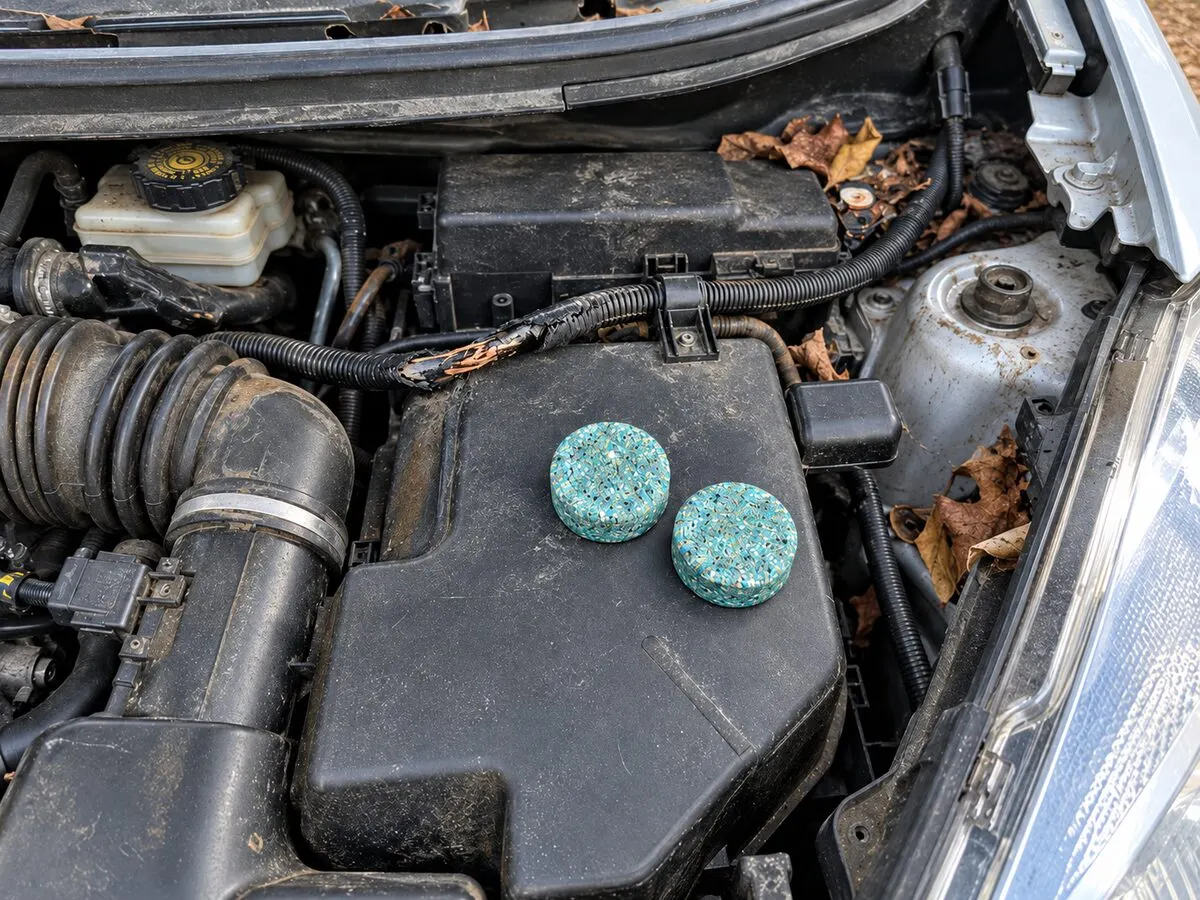
Signs to look for
- Shredded paper, insulation or plant material appearing beneath the bonnet or in storage spaces; leave suspected nests undisturbed until assessed.
- Fresh droppings, gnaw marks or food caches in the boot or cabin, especially when they return after safe cleaning.
- Warning lights, damaged cables, fluid leaks or an unusual smell: these need a vehicle inspection, not just a repellent.
Why a parked car can attract rodents
A sheltered vehicle can offer cover and nesting spaces, particularly when it stands unused beside vegetation, stored feed or rubbish. Rodents may damage wiring, hoses and insulation. The AA discusses animal damage to vehicles, but damage alone does not tell you which animal was responsible. Avoid assuming that a particular insulation ingredient explains an incident.
Start with practical checks rather than buying several deterrents at once. Remove snack wrappers, shopping bags and pet treats from the cabin and boot. Look around the parking area for spilled bird seed and overflowing bins. If possible, move stored feed away from the vehicle and inspect a little more often while activity is suspected.
What MintGuard can and cannot offer
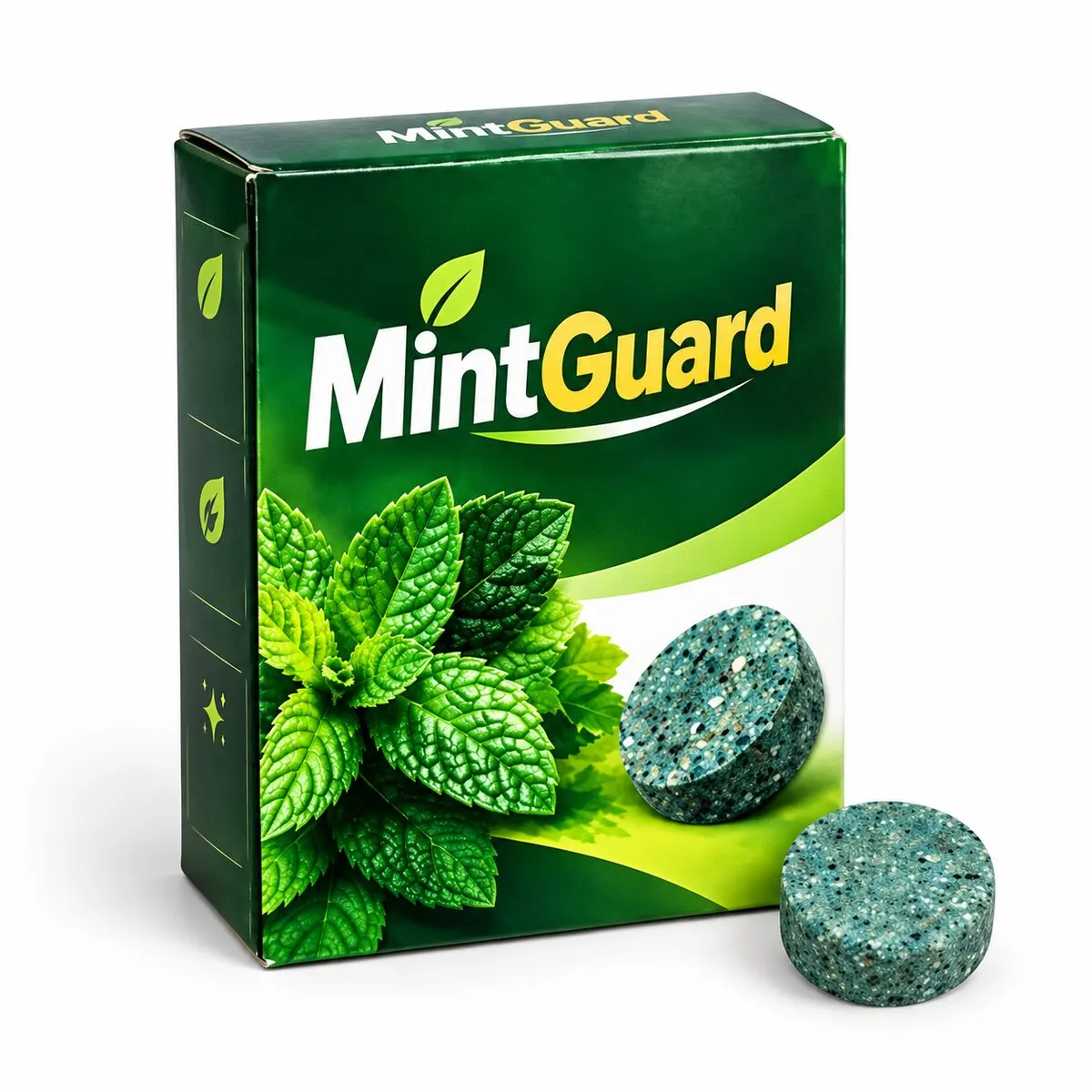
We are the MintGuard team, the makers of the product, rather than an independent testing organisation. MintGuard contains peppermint, clove and castor oil in 12 slow-release solid balls per pack. Each ball lasts 30 to 60 days. There is no poison, no trap and nothing to plug in. Those features may suit someone who wants a supplementary scent deterrent.
Evidence on scent is mixed, and we cannot promise that a smell will keep rodents away from a parked car. Airflow, temperature and access routes vary. Check the product label and vehicle handbook before use, and ask your garage if there is any uncertainty. We do not recommend improvising an engine-bay installation or promising that a ball will prevent a repair bill.
A cautious placement plan for a parked car
- 1Read the label and handbook first. Ask a mechanic whether any proposed location is suitable; if you cannot identify a safe position, do not place repellent in the vehicle.
- 2Remove food and inspect the cold, switched-off vehicle for damage. Arrange professional attention before driving if wiring, hoses or nesting material are involved.
- 3Only consider a stable, label-permitted storage position that children and pets cannot reach. Keep away from upholstery if contact might stain, and never use footwells, seat mechanisms or air vents.
- 4Do not put balls in an engine bay without explicit suitable guidance. Keep all products clear of heat, moving parts, electrics and any point where they could fall into machinery.
- 5Record locations and placement dates, tell anyone servicing the car, and check regularly for movement or fresh activity. Replace balls after 30 to 60 days according to conditions and label directions.
Make checks part of your parking routine
For a vehicle that sits unused, arrange sensible inspections rather than relying on scent strength as a warning system. With the engine off and cool, look for new material without reaching into hidden spaces. Keep children and animals away while checking. Do not start the vehicle if there is a nest near hot components or visible wiring damage.
Photographs of fresh damage can help a garage or pest controller understand what has changed. Check your insurance terms rather than assuming animal damage is covered. Never leave a bonnet open where it could create a security risk or expose someone to injury; it is not a reliable rodent-control method.
Proofing checklist
- Ask a garage to inspect missing covers, damaged seals and possible access routes. Do not block vehicle drains, ventilation or designed openings yourself.
- Keep garage doors and service entries in good repair, using suitable durable materials without obstructing ventilation or emergency access.
- Move feed into robust closed containers, clear rubbish beside the parking space and reduce accessible nesting clutter around the vehicle.
| Option | Price | What to consider |
|---|---|---|
| 1 pack: 12 balls | £39 | Check that you have a suitable permitted location before ordering. |
| 2 packs: 24 balls | £69 | For more than one suitable space; not automatically needed for one car. |
| 3 packs: 36 balls | £89 | Plan replacements around the 30 to 60 day ball lifespan. |
| 4 packs: 48 balls | £109 | £27.25 per pack; buying more does not guarantee better control. |
Mistakes to avoid
- Treating a strong peppermint smell as proof of protection. New droppings or damage matter more than whether you can smell the product.
- Spraying essential oils onto wiring or soaking engine insulation. This can create material, exposure and maintenance problems without solving the access route.
- Leaving balls loose in a cabin or taking risks to reach an engine compartment. Vehicle safety takes priority over any deterrent placement.
Right for you if…
- Owners seeking a no-power supplementary deterrent where a genuinely suitable, label-permitted placement exists.
- People combining careful monitoring with food removal and professional vehicle advice.
Not right if…
- Making a car with chewed wiring safe to drive, or guaranteeing that rodents will not return.
- Loose placement near pedals, hot engine components or any area accessible to children or pets.
When to call a professional
- Contact a garage promptly for warning lights, chewed cables, leaks or nesting beside hot components. Ask whether the vehicle is safe to start or needs recovery.
- Contact a pest professional when fresh signs continue, several vehicles are affected or activity extends into the garage or house. Prevention needs to address the wider source.
- If cleaning brings you into contact with suspected rodent urine, follow hygiene advice. The NHS explains leptospirosis and when symptoms after possible exposure need medical advice.
Considering MintGuard for a suitable storage space?
Buy from mintguard.co.uk, our official shop, with tracked UK delivery, secure checkout and a 90-day money-back guarantee. We are the makers. Check placement suitability first, and do not postpone vehicle repairs for a scent product.
From £27.25 a pack · 90-day money-back · Tracked UK delivery
Official MintGuard prices
As listed on mintguard.co.uk. If the price changes, the shop's price applies.
1 pack · 12 balls
£39.00 per pack
£39
£782 packs · 24 ballsMost popular
£34.50 per pack
£69
£1563 packs · 36 balls
£29.67 per pack
£89
£2344 packs · 48 ballsBest value
£27.25 per pack
£109
£312
Common questions
What is the best mouse repellent for cars in the UK?
There is no single product we can honestly call best for every vehicle. Prioritise food removal, regular checks and advice from your garage. Scent is an optional extra with mixed evidence, not a replacement for fixing damage or dealing with an infestation.
Can I put MintGuard under the bonnet?
Do not assume so. Heat, airflow and moving components make engine bays difficult places for loose products. Check the label and get vehicle-specific advice from a mechanic. If there is no confirmed safe location, use other prevention measures instead.
Do rats and mice chew car wires?
Both can gnaw vehicle materials. If you find damaged insulation or warning lights, have the car checked before driving. Do not guess that a particular wire coating attracted them or that repellent will make damaged wiring safe.
Will peppermint oil stop mice getting into my car?
It may discourage some activity, but evidence on scent is mixed. Do not drip oils onto wiring, fabric or filters. Focus on removing food and shelter around the parking area, and keep monitoring for fresh signs.
Can I leave repellent in the footwell?
No loose object should be able to reach the pedals or interfere with seats. Keep products away from occupants, children and pets, and only use a label-permitted position that cannot affect vehicle operation.
How long do MintGuard balls last in a car?
Each ball lasts 30 to 60 days, but heat and ventilation can affect the setting. That lifespan is not a guarantee of deterrence. Check placement and activity regularly rather than leaving the vehicle unchecked until replacement day.
Only buy MintGuard from mintguard.co.uk
Copycat sites and look-alike listings use our photos. They aren't covered by the 90-day money-back guarantee. How to spot a fake