Quick answer
If you suspect mice in the loft, look for fresh signs and arrange safe access before doing anything else. Scratching alone does not identify the animal: rats, squirrels, birds or bats may also be involved. Food removal and properly planned proofing matter more than scent. MintGuard can be an optional addition in suitable inaccessible positions, but evidence on scent is mixed and it will not resolve an established infestation by itself.
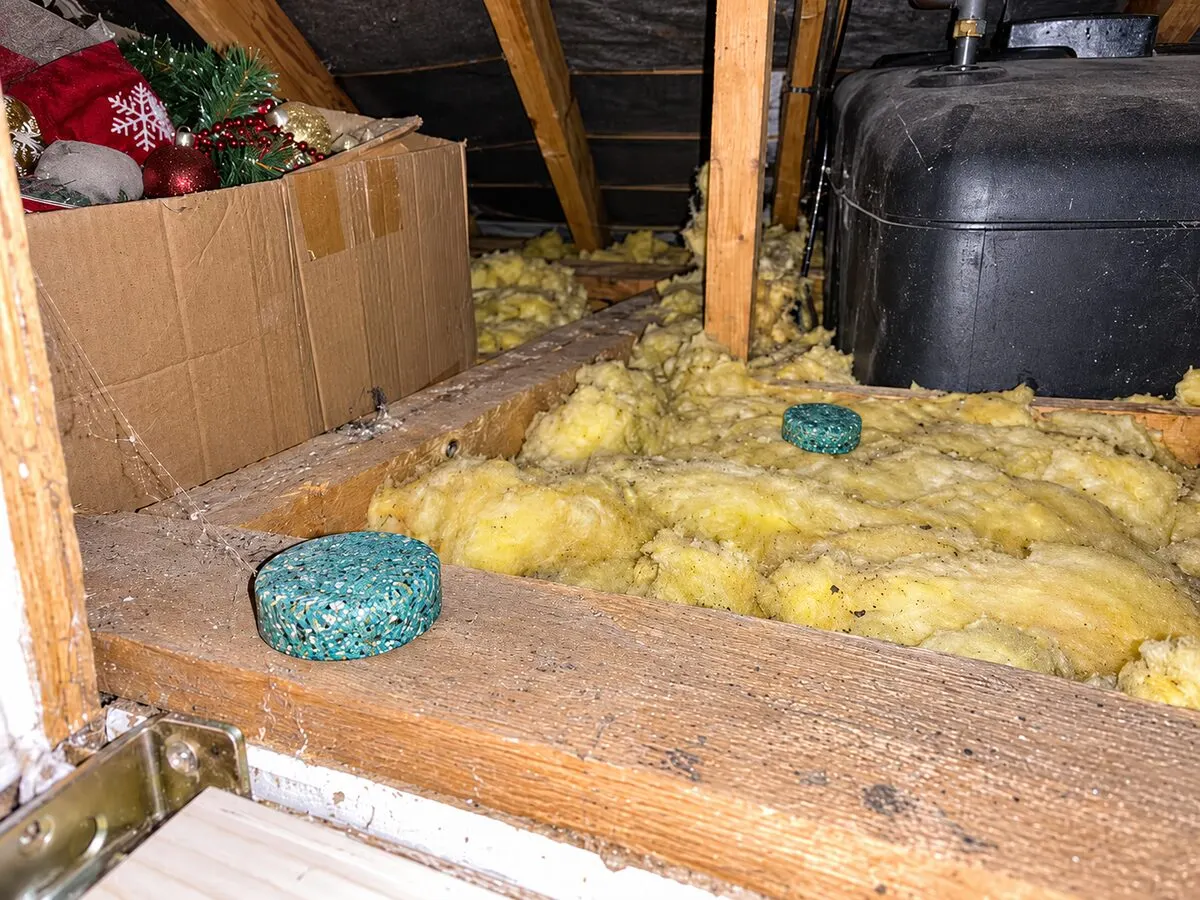
Signs to look for
- Repeated scratching or movement combined with fresh droppings, rather than noise alone; record when and where you notice it.
- Gnawed storage boxes, disturbed insulation or shredded nesting material appearing near a sheltered route.
- Damage around roof edges, pipes or cables, or fresh evidence returning after a professional has cleaned and checked the area.
Identify the visitor before blocking holes
Noise can travel through a roof space, making a small animal sound surprisingly large. Dropping size, location and gnaw marks can provide clues, but they are not a certain identification. Take photographs from a safe position rather than handling droppings. A pest professional can assess repeated activity and help distinguish rodents from other roof visitors.
Do not seal a suspected occupied entrance straight away. You could trap animals inside or interfere with protected wildlife. Bats and nesting birds need particular care, and daytime movement does not prove that squirrels are responsible. Seek appropriate wildlife advice if there is uncertainty. A quiet night is not proof that an access route is empty.
What a scent product contributes
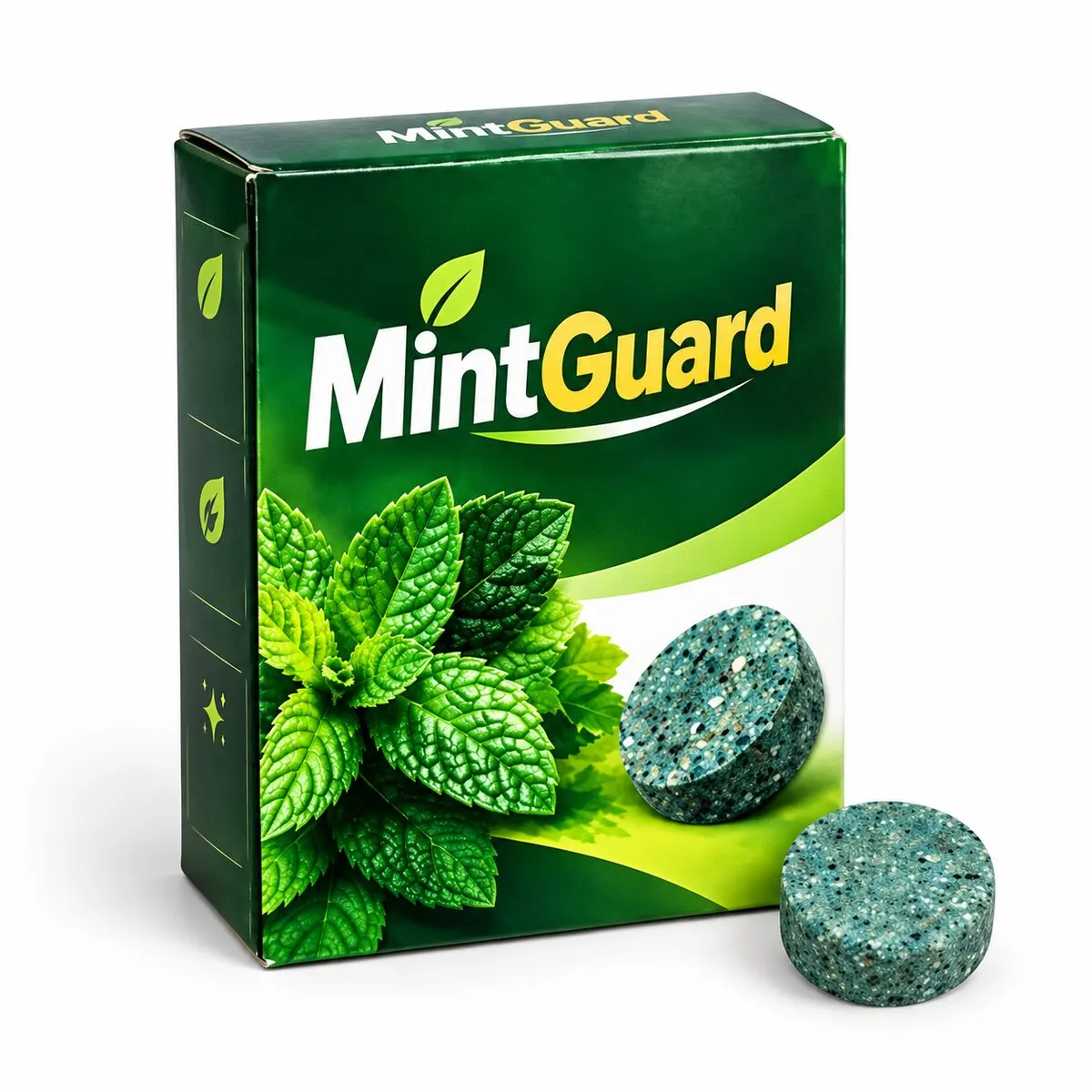
MintGuard is made by us, the MintGuard team. Each pack contains 12 slow-release solid balls with peppermint, clove and castor oil. Each ball lasts 30 to 60 days. There is no poison, no trap and no need for a plug. That can be convenient in a roof space without a socket, provided placement and access are safe.
Evidence on scent deterrents is mixed. Draughts at the eaves, insulation layouts and hidden routes make loft conditions variable. We cannot specify a universal number of balls or promise complete coverage. Use the label to guide placement, monitor for new signs, and put the main effort into identifying entry points and arranging durable repairs.
A safe loft placement sequence
- 1Confirm that you can inspect from a boarded area without disturbing suspect materials. Arrange professional access if the hatch, ladder or walking surface is unsafe.
- 2Identify likely activity from accessible evidence and ask for species identification when uncertain. Do not block occupied holes or interfere with protected wildlife.
- 3Read the MintGuard label. Choose stable, permitted positions near accessible routes, away from heat, wiring, tanks and anywhere children or pets might reach through a hatch.
- 4Keep balls out of insulation and do not throw them into inaccessible eaves. Note every location so products can be checked and retrieved without unsafe reaching.
- 5Monitor fresh signs and review placement regularly. Replace each ball after 30 to 60 days as appropriate, but get help sooner if activity continues or damage appears.
Do not turn a loft check into an accident
Only enter a loft with safe access, adequate lighting and secure boarding. Ceiling plasterboard will not support you. Do not balance on joists, disturb unfamiliar insulation or reach around electrical fittings to position a repellent. If access is awkward, arranging a professional inspection is more sensible than attempting a difficult placement.
Keep products clear of lights, wiring, heat sources, stored fabrics and water storage. Never place anything inside a tank or where it could fall into one. Photograph accessible locations and note the date so later inspections do not become a search through insulation. Odour in bedrooms is a reason to review use, not proof of successful control.
Proofing checklist
- Have damaged roof coverings, fascia boards and soffits inspected by a competent person. Work at roof height is not a safe improvised DIY job.
- Use suitable durable mesh or other specified repair materials at confirmed entry points, while retaining roof ventilation and drainage.
- Inspect pipe and cable penetrations without disturbing electrical installations. Foam alone is not a dependable gnaw-resistant repair.
- Coordinate exclusion with animal removal or departure. Do not seal access until occupancy and wildlife restrictions have been considered.
| Pack option | Price | Practical note |
|---|---|---|
| 1 pack / 12 balls | £39 | Start by checking label directions and safe access. |
| 2 packs / 24 balls | £69 | Extra stock does not compensate for an open entry route. |
| 3 packs / 36 balls | £89 | Each ball lasts 30 to 60 days; monitor between replacements. |
| 4 packs / 48 balls | £109 | £27.25 per pack; roof repairs and professional fees are separate. |
Mistakes to avoid
- Assuming every night-time noise is a mouse, then blocking holes without checking whether animals remain inside.
- Scattering balls across insulation, where they cannot be retrieved or monitored safely and may end up near electrical fittings.
- Treating scent as a substitute for roof repairs, or repeatedly entering an unsafe loft because the product needs checking.
Right for you if…
- Homeowners wanting a supplementary no-power scent option in safely accessible, label-permitted loft positions.
- A broader plan that includes species identification, monitoring and coordinated roof proofing.
Not right if…
- Unsafe unboarded lofts, inaccessible eaves or placement beside electrics and water tanks.
- Clearing a heavy infestation, identifying wildlife or replacing roofing and electrical repairs.
When to call a professional
- Arrange help if signs recur, rats are suspected, the entry route is unclear or the loft cannot be inspected from safe boarding.
- Use an electrician for suspected cable damage and a competent roofer for external repairs. A scent product cannot make damaged wiring or roofing safe.
- Seek wildlife advice before disturbing bats, nests or unidentified occupants. For substantial contamination, ask about professional cleaning and safe handling rather than sweeping dry droppings.
Add scent only where loft access is safe
MintGuard is available from our official shop, mintguard.co.uk, with secure checkout, tracked UK delivery and a 90-day money-back guarantee. We are the makers, and we recommend professional help rather than unsafe loft placement or delayed repairs.
From £27.25 a pack · 90-day money-back · Tracked UK delivery
Official MintGuard prices
As listed on mintguard.co.uk. If the price changes, the shop's price applies.
1 pack · 12 balls
£39.00 per pack
£39
£782 packs · 24 ballsMost popular
£34.50 per pack
£69
£1563 packs · 36 balls
£29.67 per pack
£89
£2344 packs · 48 ballsBest value
£27.25 per pack
£109
£312
Common questions
How do I get mice out of my loft in the UK?
Confirm the activity, remove accessible food sources elsewhere in the property and arrange a control and proofing plan. Do not close occupied entrances blindly. A scent repellent is optional; continuing activity needs assessment rather than simply adding more product.
Does scratching in the loft mean rats?
Not necessarily. Mice, squirrels, birds and bats can also create noise, and sound travels through the building. Droppings and other evidence help, but professional identification is worthwhile before choosing control measures or sealing roof gaps.
Will peppermint get rid of mice in insulation?
It is not a dependable way to clear an established problem. Evidence on scent is mixed, and hidden routes within insulation are hard to monitor. Do not soak insulation in oil or scatter products where they cannot be recovered.
How many MintGuard balls do I need in a loft?
There is no reliable universal count for every loft. Shape, ventilation and safe access differ. Follow the label, use only permitted accessible positions and avoid a fixed coverage promise. Each pack contains 12 balls.
Can I block the hole where rats enter the loft?
Repairing entry points matters, but first establish whether animals are inside and whether protected wildlife is involved. A pest professional and roofer can coordinate removal and repairs without creating trapped animals or blocking essential roof ventilation.
Are loft rodent droppings dangerous?
Avoid direct contact and do not dry-sweep or vacuum suspected contamination. Ask about safe cleaning, especially for larger deposits. The NHS explains leptospirosis, a possible infection associated with infected animal urine, and when medical advice is needed.
Only buy MintGuard from mintguard.co.uk
Copycat sites and look-alike listings use our photos. They aren't covered by the 90-day money-back guarantee. How to spot a fake