Garage & shed
Mouse repellent for garages and sheds
By the MintGuard team · Updated 26 October 2026 · Who we are
Quick answer
For mice in a garage or shed, start with accessible food, clutter and gaps beneath doors. Protect seed and pet food in robust closed containers, check entry points and monitor for fresh signs. A scent repellent can be an extra measure, but evidence on scent is mixed. MintGuard needs no socket and contains no poison, yet it must still be kept away from children, pets and stored food.
Signs to look for
- New holes or gnaw marks on feed sacks, cardboard boxes or soft stored items, especially with spilled contents nearby.
- Fresh droppings along wall edges, beneath shelves or near a doorway; avoid handling them while checking.
- Shredded cushions or paper, repeated food caches and fresh disturbance in an otherwise quiet storage corner.
- Gnawed wiring or damaged electrical equipment, which should be assessed before the equipment is used again.
Start with what makes the space useful to rodents
A garage may offer seed, pet food, cushions and undisturbed cardboard in one sheltered place. A shed with a damaged door can provide easy access even when the rest looks sound. Work methodically: inspect one storage area at a time, note fresh signs and avoid moving contaminated boxes into the house.
Move feed into robust lidded containers, preferably metal where gnawing has occurred. Check lids and spillage rather than assuming a container is protective because it looks tidy. Store fabrics in closed boxes and keep enough space around stored items to inspect them. Reducing clutter makes new droppings or damaged packaging easier to spot.
What MintGuard adds to the plan
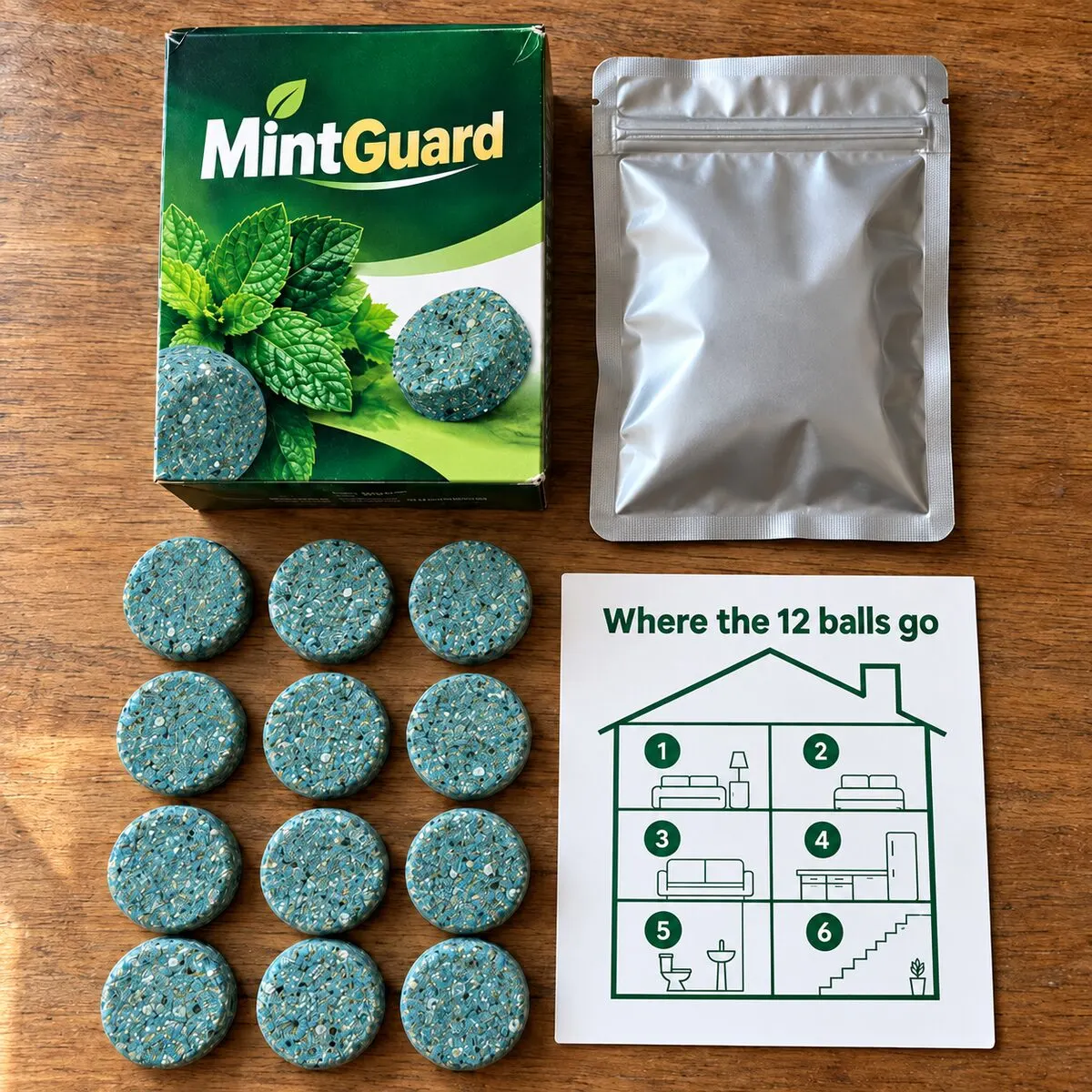
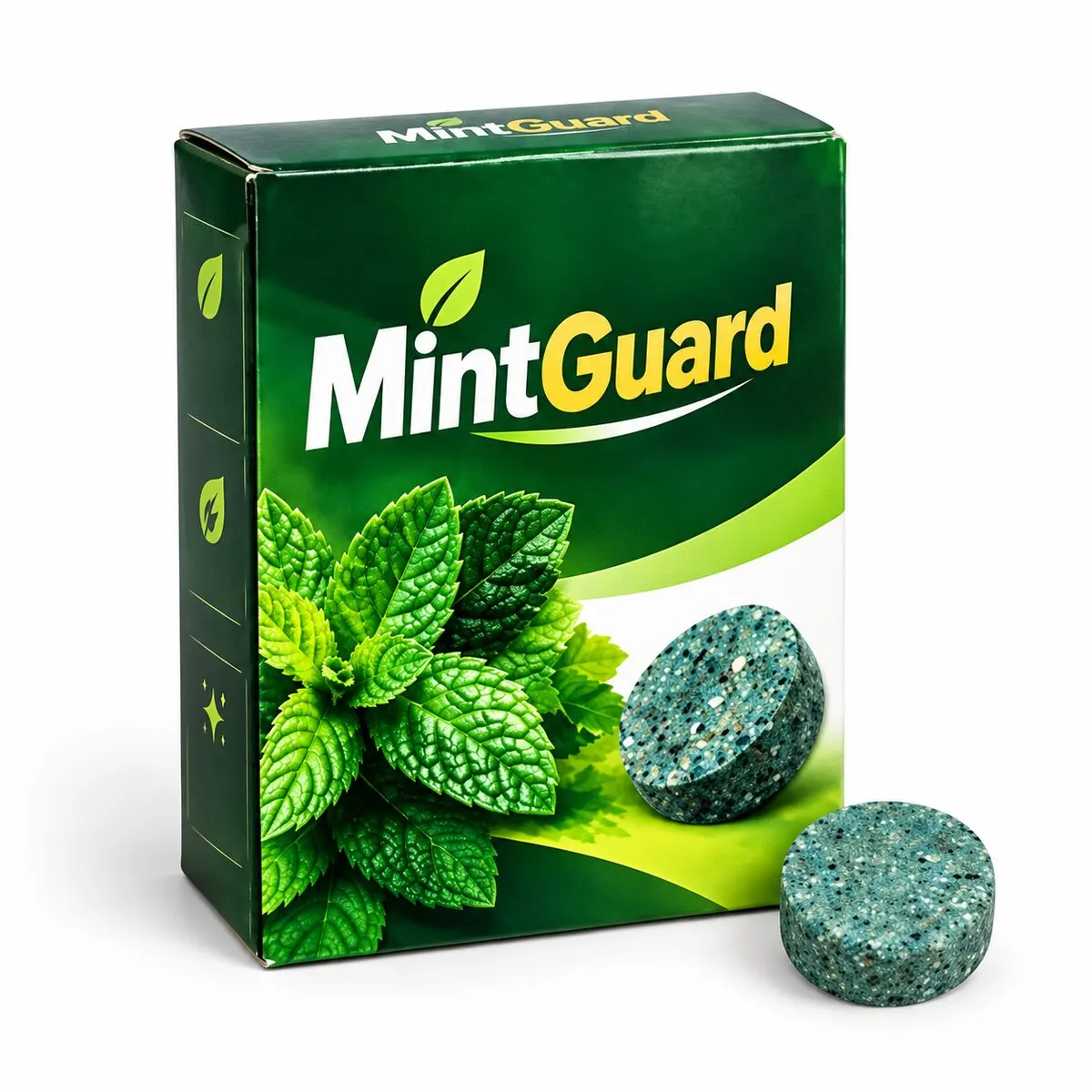
We are the MintGuard team, writing about the product we make. MintGuard contains peppermint, clove and castor oil in slow-release solid balls. A pack contains 12 balls, and each ball lasts 30 to 60 days. There is no poison, no trap and nothing to plug in, which may suit an outbuilding without electricity.
Evidence on scent is mixed. An open shed, draughty garage door or densely packed shelving can change conditions, so we do not claim that a scent covers an entire building. Follow the label and keep checking the routes where activity occurs. Extra balls do not solve a broken door or an open bag of bird seed.
Plan accessible, sheltered placement
- 1Inspect safely in daylight, keeping pets and children outside the work area. Note where new signs appear and arrange safe cleaning of contamination before reorganising.
- 2Remove spilled feed, secure food containers and clear enough space to monitor wall edges. Do not merely shift a suspected nest into another corner.
- 3Read the label and choose stable permitted positions near identified routes, such as an accessible sheltered wall edge, only where animals and children cannot reach them.
- 4Avoid edible supplies, bedding, work surfaces, heat and machinery. Do not scatter balls under heavy shelves if retrieving them would require unsafe lifting.
- 5Record placement and dates, recheck after storage changes and replace each ball after 30 to 60 days as appropriate. Escalate continued activity instead of waiting for the full lifespan to pass.
Choose prevention without creating another hazard
Natural ingredients do not make a product edible or automatically pet-safe. Keep balls beyond the reach of pets and children, including visiting animals. If cats use the shed, consider their access carefully; PDSA explains risks associated with essential oils around cats. Ask your vet about your own pet rather than relying on a blanket safety claim.
Keep products separate from animal feed, bedding, gardening chemicals and food storage. Do not place balls where they might roll into a mower or vehicle, or beside heaters and charging equipment. If you cannot create a suitable inaccessible position, concentrate on storage changes and professional proofing instead of forcing a placement.
Proofing checklist
- Inspect door bottoms, frame edges and damaged cladding. Use suitable gnaw-resistant repairs; an ordinary brush strip alone may not exclude rodents.
- Check pipe and cable penetrations and use suitable durable materials without damaging services. Expanding foam alone is not a dependable barrier.
- Keep necessary ventilation working, using appropriate mesh where suitable rather than sealing every opening indiscriminately.
- Look outside for spilled feed, overflowing bins and items stacked against walls. Coordinate final sealing with control so animals are not trapped inside.
| MintGuard option | Price | Planning consideration |
|---|---|---|
| 1 pack / 12 balls | £39 | Check permitted placement; there is no universal garage coverage count. |
| 2 packs / 24 balls | £69 | May provide replacement stock or serve separate suitable spaces. |
| 3 packs / 36 balls | £89 | Allow for monitoring and a 30 to 60 day lifespan per ball. |
| 4 packs / 48 balls | £109 | £27.25 per pack; durable repairs remain a separate expense. |
Mistakes to avoid
- Leaving bird seed in thin bags while expecting scent to outweigh a reliable food supply.
- Assuming a plug-in device or strong smell reaches every hidden corner behind stored items. Monitor actual activity rather than relying on an impression of coverage.
- Using loose repellent where dogs, cats or children can investigate it, or assuming no poison means no precautions are necessary.
- Repeatedly sweeping dry droppings into the air instead of obtaining suitable safe-cleaning advice and addressing why they return.
Right for you if…
- People seeking a no-socket supplementary deterrent alongside food control and durable outbuilding repairs.
- Garages and sheds with stable label-permitted locations that remain inaccessible to children and pets.
Not right if…
- Protecting open feed bags without storage changes, or guaranteeing whole-building coverage.
- Animal housing, accessible pet areas or damaged electrical equipment needing professional attention.
When to call a professional
- Seek professional help when fresh signs continue after storage improvements, when rats are suspected or when activity reaches an attached house.
- Ask an electrician or relevant service professional about chewed cables, chargers or equipment before using them. Do not hide damage behind new storage.
- Get advice for large accumulations of droppings or inaccessible nests. If considering rodenticides, follow HSE guidance and product restrictions; never improvise poison placement around pets or wildlife.
Support a tidier, better-proofed outbuilding
Order MintGuard from mintguard.co.uk, our official shop, with tracked UK delivery, secure checkout and a 90-day money-back guarantee. We are the makers. Check pet access and label directions before choosing a pack, and keep repairs central to your plan.
From £27.25 a pack · 90-day money-back · Tracked UK delivery
Official MintGuard prices
As listed on mintguard.co.uk. If the price changes, the shop's price applies.
1 pack · 12 balls
£39.00 per pack
£39
£782 packs · 24 ballsMost popular
£34.50 per pack
£69
£1563 packs · 36 balls
£29.67 per pack
£89
£2344 packs · 48 ballsBest value
£27.25 per pack
£109
£312
Common questions
What is the best mouse repellent for a garage?
There is no single best choice for every building. Secure food and repair access first. A no-power scent option may be convenient, but evidence on scent is mixed and it should be judged by fresh activity, not by how strongly it smells.
How many MintGuard balls do I need for a single garage?
We cannot give a reliable universal number. Layout, ventilation and accessible routes vary. Follow label guidance and only use suitable positions. One pack contains 12 balls, but buying a pack is not a guarantee of whole-garage coverage.
Do ultrasonic mouse repellers work in sheds?
They require a suitable power supply, and walls or stored items can limit where sound travels. They are not a substitute for food control and proofing. Avoid treating any repeller, scent or electronic, as evidence that an infestation has ended.
Will peppermint stop mice eating bird seed?
Do not rely on it. Protect seed in a robust sealed container, clean spills and inspect for gnawing. A dependable food source can keep rodents returning even if you use a scent product nearby.
Can I use MintGuard in a shed my cat visits?
Only if label directions and your pet's circumstances allow suitable inaccessible placement. No poison does not mean harmless to chew or swallow. PDSA advises caution about essential oils around cats; ask your vet if unsure or avoid use where access cannot be controlled.
How do I stop mice getting under the garage door?
Have the gap assessed and fit a suitable durable exclusion repair that still allows the door to operate safely. Thin brush strips may not be enough. Check the rest of the frame and walls too, and avoid sealing animals inside.
Only buy MintGuard from mintguard.co.uk
Copycat sites and look-alike listings use our photos. They aren't covered by the 90-day money-back guarantee. How to spot a fake