Quick answer
There is no universally pet-safe mouse repellent. Food control and well-planned proofing avoid introducing a scent or bait, so they are a sensible starting point. Poison-free does not mean harmless: concentrated peppermint and clove products still need care around animals. Speak to your vet about your particular pets before using scented products in their environment, especially where access cannot be reliably prevented.
Signs to look for
- Look for fresh droppings, new gnaw marks or damage to stored food. A single old sign does not establish current activity, so record the location and date rather than guessing.
- Repeated scratching, nesting material or a recurring smell deserves investigation. Sounds alone cannot reliably identify the animal; birds, mice, rats and building movement can be confused.
What pet-safe should mean in practice
A product advertised as pet-safe should not be read as permission to leave it beside a dog bowl or cat bed. Risk depends on the ingredients, exposure, species and individual health. Chewing, swallowing and skin contact are different from a passing smell, but none should be dismissed without appropriate advice.
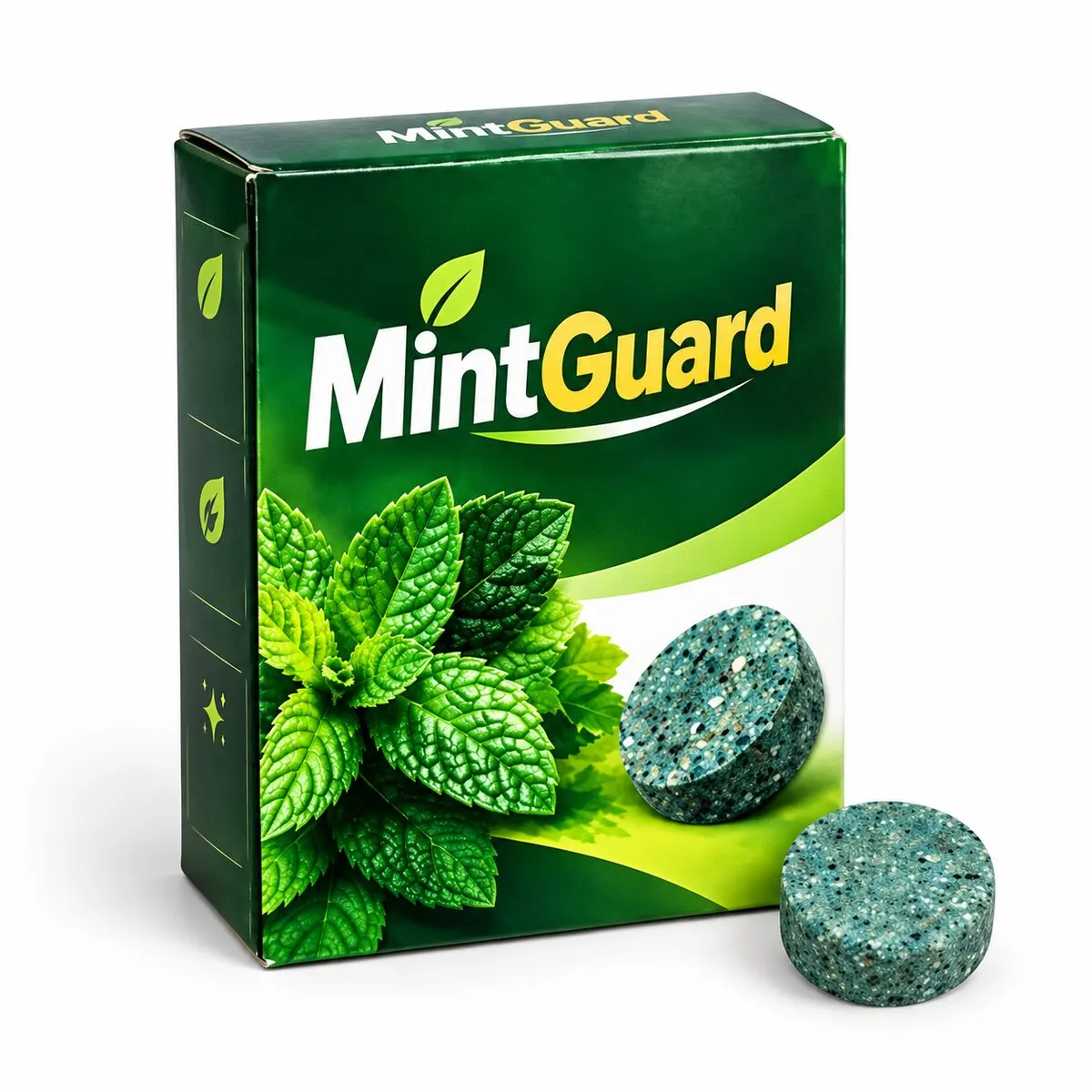
We are the MintGuard team and this site is run by the makers. MintGuard contains peppermint, clove and castor oil, with 12 solid slow-release balls per pack. Each ball lasts 30 to 60 days. It has no poison and no traps, and needs no electricity; those facts are not veterinary approval.
Cats, dogs and smaller animals need different decisions
Cats groom substances from their coats, and curious dogs may chew unfamiliar objects. Birds, rabbits, guinea pigs and other small animals need particular care when changing their surroundings. Ask a vet familiar with the species rather than borrowing advice meant for another animal or relying on a general internet reassurance.
A position behind a sofa or fridge is not automatically inaccessible. Cats climb and dogs can retrieve things from small gaps. Avoid pet sleeping areas, cages, food stations and poorly ventilated spaces. If you cannot prevent access or a vet advises against scent, leave scented products out of the plan.
A cautious placement and monitoring plan
- 1Read the current label before opening the pack. Check that every proposed position is suitable, away from food, heat and moisture, and genuinely inaccessible to children and animals.
- 2Investigate likely routes without disturbing electrical equipment or climbing into unsafe roof spaces. Do not obstruct vents, drains or appliance airflow, and do not put balls inside machinery.
- 3Place only as directed and protect delicate surfaces where appropriate. Keep packaging and record the date and locations so another household member knows what has been placed.
- 4Check the same areas regularly for fresh signs. Each MintGuard ball lasts 30 to 60 days, but ongoing activity needs investigation now, not simply waiting until replacement is due.
Responding to a possible exposure
If a pet chews a ball, contacts concentrated oil or appears unwell, remove access and contact a vet promptly. Keep the packaging available so the practice can identify the ingredients. Do not induce vomiting or give a home remedy unless the vet specifically tells you to do so.
Do not assume all symptoms will be immediate or identical. The RSPCA poisoning advice explains why suspected poisoning needs veterinary attention. Separately, rodenticide exposure can occur through bait or poisoned animals. Discuss any treatment proposed for the home with the pest controller and your vet.
Proofing checklist
- Store food and pet feed in secure containers; clear crumbs, remove accessible overnight bowls where suitable for your pet, and keep bin lids closed. Include sheds and garages in the check.
- Inspect around pipes, doors and service entries. Use durable materials appropriate to the building; loose wire wool or expanding foam alone is not a dependable permanent repair. Get advice on awkward gaps.
- Keep ventilation, drainage and fire safety intact. Before sealing a suspected active route, establish whether animals remain inside. Tenants should report defects to the landlord and keep a written record.
| Order | Price | Price per pack |
|---|---|---|
| 1 pack: 12 balls | £39 | £39 |
| 2 packs: 24 balls | £69 | £34.50 |
| 3 packs: 36 balls | £89 | about £29.67 |
| 4 packs: 48 balls | £109 | £27.25 |
Mistakes to avoid
- Do not treat a stronger smell as stronger protection. Avoid mixing essential oils or using bleach, ammonia or household chemicals as improvised repellents; they can introduce health risks without resolving entry routes.
- Do not sweep or vacuum dry droppings into the air. Keep people and pets away, and obtain appropriate cleaning advice, particularly where contamination is extensive or access is difficult.
Right for you if…
- Households seeking an optional, non-powered scent product alongside practical prevention, where label-compliant placement and regular checks are possible.
Not right if…
- Anyone needing a guaranteed cure, an established infestation left untreated, or a household where children or animals could contact the balls.
When to call a professional
- Contact your council pest-control service or a qualified contractor when fresh signs persist, several rooms are affected, wiring is damaged or you cannot inspect the route safely. Ask what their survey, treatment and follow-up include.
- Get prompt help for repeated rat activity indoors or suspected drain access. The NHS explains that leptospirosis can be associated with infected animal urine; contact a healthcare professional if you become unwell after a possible exposure and mention it.
Consider MintGuard as an extra, not a cure
If a scent product fits your prevention plan, visit mintguard.co.uk for 12-ball packs, tracked UK delivery and secure checkout. The 90-day money-back guarantee lets you review the purchase terms before deciding. Keep checking for activity and arrange help when needed.
From £27.25 a pack · 90-day money-back · Tracked UK delivery
Official MintGuard prices
As listed on mintguard.co.uk. If the price changes, the shop's price applies.
1 pack · 12 balls
£39.00 per pack
£39
£782 packs · 24 ballsMost popular
£34.50 per pack
£69
£1563 packs · 36 balls
£29.67 per pack
£89
£2344 packs · 48 ballsBest value
£27.25 per pack
£109
£312
Common questions
Is peppermint mouse repellent safe for cats?
Do not assume so. Cats can be vulnerable to essential-oil exposure. Ask your vet before use, prevent contact and ingestion, and avoid scented products if you cannot keep them away from the cat.
What mouse repellent is safe around dogs?
There is no universal answer for every dog. Start with food management and appropriate repairs. Ask your vet about a proposed scent product, particularly for a dog that chews objects or has existing health problems.
Are ultrasonic mouse repellers safe for pets?
Do not assume a plug-in is suitable for every species. Check manufacturer guidance and ask a vet, especially for pet rodents. Effectiveness against household mice is also uncertain, so ultrasound should not replace proofing.
How many MintGuard balls do I need?
A pack contains 12 balls, but there is no verified universal room coverage figure. Follow the label for placement rather than calculating protection from floor area or assuming more balls guarantees better results.
Can I use a scent repellent around pets?
Poison-free does not mean harmless. Keep balls out of reach and seek species-specific veterinary advice before use. If safe separation is impossible, focus on food management and appropriate repairs instead.
Where can I buy MintGuard in the UK?
The official shop is mintguard.co.uk, with tracked UK delivery, secure checkout and a 90-day money-back guarantee. Read the current guarantee terms before ordering; it is a purchase assurance, not scientific proof of effectiveness.
Only buy MintGuard from mintguard.co.uk
Copycat sites and look-alike listings use our photos. They aren't covered by the 90-day money-back guarantee. How to spot a fake