Pets
Are ultrasonic repellers safe for pets?
By the MintGuard team · Updated 26 October 2026 · Who we are
Quick answer
There is no blanket pet-safety guarantee for ultrasonic mouse repellers. Dogs and cats can hear frequencies people cannot, and the device and individual animal matter. Avoid using rodent-targeted ultrasound around pet rodents. Do not assume rabbits, birds or other pets are unaffected, and do not automatically replace sound with essential oils, which also carry risks.
Signs to look for
- Keep separate notes on rodent activity and your pet’s behaviour. A change in either deserves attention, but the timing alone does not establish the cause.
- Check for accessible scented products, damaged packaging or moved balls as well as electrical devices. Contact a vet promptly about suspected ingestion or oil contact, particularly with cats.
Can dogs hear mouse repellers?
Dogs can hear higher frequencies than people, so your inability to hear a unit is not a safety test. Whether a particular device is audible or unpleasant depends on its output and the individual animal. A packaging statement such as inaudible to humans does not answer the question about your dog.
Check the exact model instructions and ask the manufacturer about frequencies, output and species exclusions. If you cannot establish suitability, do not use it in your dog’s living area. It is reasonable to choose food management, repairs and professional advice without exposing a pet to an uncertain device.
Are ultrasonic repellers safe for cats?
Cats also hear higher frequencies than people. That does not mean every repeller causes harm, but it rules out assuming silence to you means silence to them. Watch for changes after a new device is installed without deliberately testing how much exposure the animal will tolerate.
A cat avoiding its usual room, hiding or changing its routine needs attention. Such changes have many possible causes, including illness. Switch the device off and speak to your vet if the behaviour persists or concerns you. Do not diagnose distress solely from an online list or repeatedly switch the unit on to reproduce a reaction.
Hamsters, guinea pigs, rabbits and other small pets
A device intended to deter rodents is a poor choice around pet rats, mice, hamsters, gerbils or guinea pigs. Avoid placing these units in their living areas. Do not assume that a cage wall or moving it a little further away creates a safe exposure level.
Rabbits are not rodents, even though they are often grouped with small pets in shopping advice. That distinction does not establish that a mouse repeller is safe for them. With rabbits, birds, reptiles or fish, do not rely on a general pet-safe claim or assume no effect. Get species-appropriate advice and avoid uncertain exposure.
Review the home before using any repellent
- 1List every pet and its living, feeding and exercise areas. Check the exact product instructions for species restrictions rather than relying on a generic pet-friendly badge.
- 2Avoid ultrasonic rodent repellents around pet rodents. For other animals, seek appropriate advice when suitability is unclear; do not run a trial beside their bed or enclosure.
- 3If considering scent instead, disclose ingredients and format to your vet. Use only labelled positions that remain inaccessible during normal pet movement and children’s play.
- 4Monitor without forcing exposure. Remove an uncertain product from use and obtain veterinary advice if behaviour changes, illness or possible contact causes concern.
Signs your pet may be bothered by a plug-in repeller
Possible reasons to review a new device include avoiding the room, unusual vigilance, hiding, restlessness or changes in appetite and normal activity. These observations do not prove the repeller is responsible. Note when changes started, turn the device off and give the animal access to its normal quiet environment.
If an animal seems unwell, stops eating or shows breathing problems, contact a vet rather than treating it as a simple noise complaint. Take the device details and any other new household products into account. A pet that appears outwardly calm is not proof that a model is suitable for every animal.
Are natural mouse repellents safer for pets?
Not automatically. An essential-oil product avoids ultrasound but introduces different possible exposure routes. PDSA lists peppermint and clove among oils toxic to cats and describes risks from swallowing, skin contact and some inhalation circumstances. Never apply oils to a pet or use them to treat its bedding or enclosure.
Loose oil-soaked pads can be licked, moved or transferred to fur. Solid repellent balls also need protection from chewing or swallowing. Ask your vet about the actual formulation and intended location. If safe placement cannot be maintained, choose a non-scent plan rather than assuming natural ingredients make access acceptable.
A pet-conscious mouse plan without blanket safety claims
Store feed securely, clear preventable spills and examine accessible entry defects before adding a product. Protect the animal’s normal diet and feeding needs while improving housekeeping. A pest controller can help choose a control plan that accounts for cages, feeding areas and the movement of children and other animals.
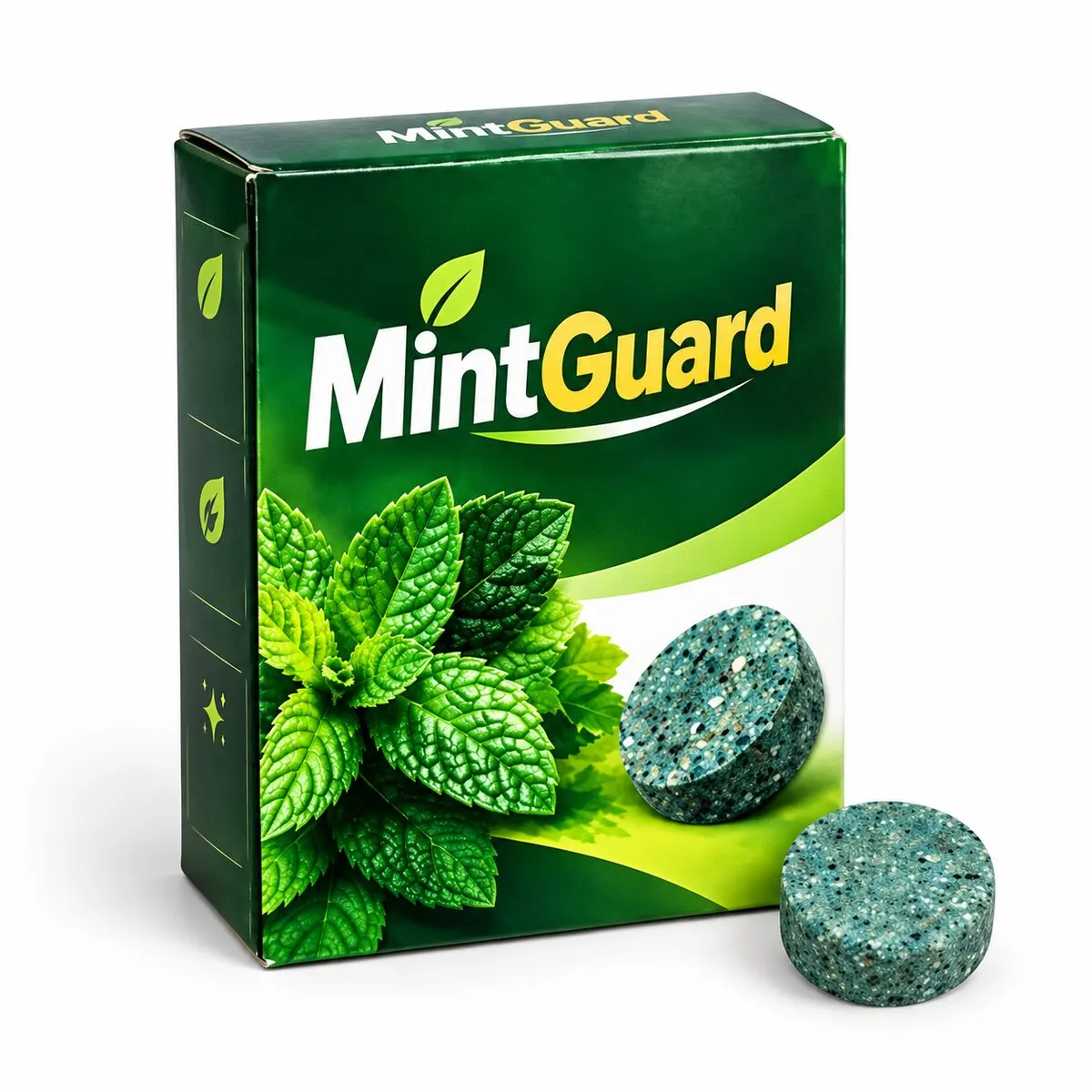
We are the MintGuard team and make MintGuard. Our product has peppermint oil, clove oil and castor oil in 12 slow-release solid balls per pack, lasting 30 to 60 days each. There is no poison, trap or plug. Those features do not establish universal pet safety or reliable infestation clearance; evidence for scent deterrents is mixed.
Proofing checklist
- Secure feed containers and repair suitable access defects while retaining required ventilation. Never obstruct a pet’s water, normal feeding or safe movement to make a room less attractive to mice.
- Tell a pest controller about all animals before treatment. Ask how traps, any bait and follow-up visits will be managed to protect pets and non-target wildlife.
| Approach | Cost basis | Pet consideration |
|---|---|---|
| Ultrasonic mouse unit | Varies by model | Avoid around pet rodents; other suitability needs checking |
| Essential-oil DIY pads | Bottle price plus replacement | Accessible oil can contact fur or be swallowed; not recommended |
| MintGuard solid balls | One pack £39; 12 balls | Must remain inaccessible; no universal pet-safety claim |
| Proofing and professional plan | Repair and inspection quotes | Can be planned around species and living arrangements |
Mistakes to avoid
- Do not label rabbits as rodents or assume birds and fish are automatically unaffected. Species, product design and exposure all matter.
- Do not equate poison-free with safe to swallow. Nor should a lack of obvious reaction be treated as a professional safety assessment.
When to call a professional
- Speak to a vet promptly for suspected essential-oil exposure, ingestion or illness. PDSA advises contacting a vet after possible cat exposure even before symptoms appear. Keep the packaging for identification.
- Seek a pest controller if mice are active around pet feed, enclosures or concealed areas. GOV.UK explains professional options and the need to protect other animals from control methods.
Check pet suitability before choosing a scent product
MintGuard avoids plugs and traps, but its essential-oil ingredients still require careful inaccessible placement and veterinary advice when suitability is uncertain. Read the ingredients and instructions before buying at mintguard.co.uk. The shop offers tracked UK delivery, secure Shopify checkout and a 90-day money-back guarantee.
From £27.25 a pack · 90-day money-back · Tracked UK delivery
Try it risk-free for 90 days
If MintGuard doesn't help, the official shop refunds you. You get tracked UK delivery and secure Shopify checkout. How to check you're buying the real thing.
Common questions
Can dogs hear plug-in mouse repellers?
They may hear frequencies that people cannot. Audibility and response depend on the unit and dog. Check model details and do not interpret inaudible to humans as a guarantee that your pet cannot hear it.
Are ultrasonic mouse repellers safe for cats?
There is no universal guarantee across devices and animals. Check species guidance and avoid uncertain exposure. Turn the unit off if you suspect a problem and seek veterinary advice about persistent changes or illness.
Can I use an ultrasonic repeller near a hamster?
Avoid it. A device intended to deter rodents is not a sensible addition beside a pet rodent’s enclosure. Choose secure food storage, appropriate proofing and advice on safe pest control instead.
Are ultrasonic repellers safe for rabbits?
Do not assume they are. Rabbits are not rodents, but that does not establish suitability for a particular sound device. Get species-appropriate advice and avoid installing an uncertain unit in their living area.
Is peppermint mouse repellent safe for dogs and cats?
Natural does not mean harmless. Cats are particularly relevant because PDSA lists peppermint among toxic oils. Ask a vet about the formulation and keep it inaccessible; never apply it to an animal or bedding.
What should I do if my cat touches peppermint oil?
Contact your vet promptly, even without visible symptoms, and provide the packaging and likely exposure details. Do not wait for a reaction to decide whether advice is needed.
What is the safest way to keep mice away with pets?
There is no single product suitable for every home. Begin with secure feed storage and suitable repairs, then choose any necessary control with professional advice that accounts for the species and their daily routines.