Quick answer
For mice in the kitchen, protect food and clean contaminated areas safely before considering a repellent. Check pipe gaps and hidden routes, but coordinate sealing so animals are not trapped inside. MintGuard may be a supplementary scent option in suitable inaccessible positions, never on food surfaces or beside open food. Evidence on scent is mixed, so repeated droppings or damaged packaging need an active control plan rather than more fragrance.
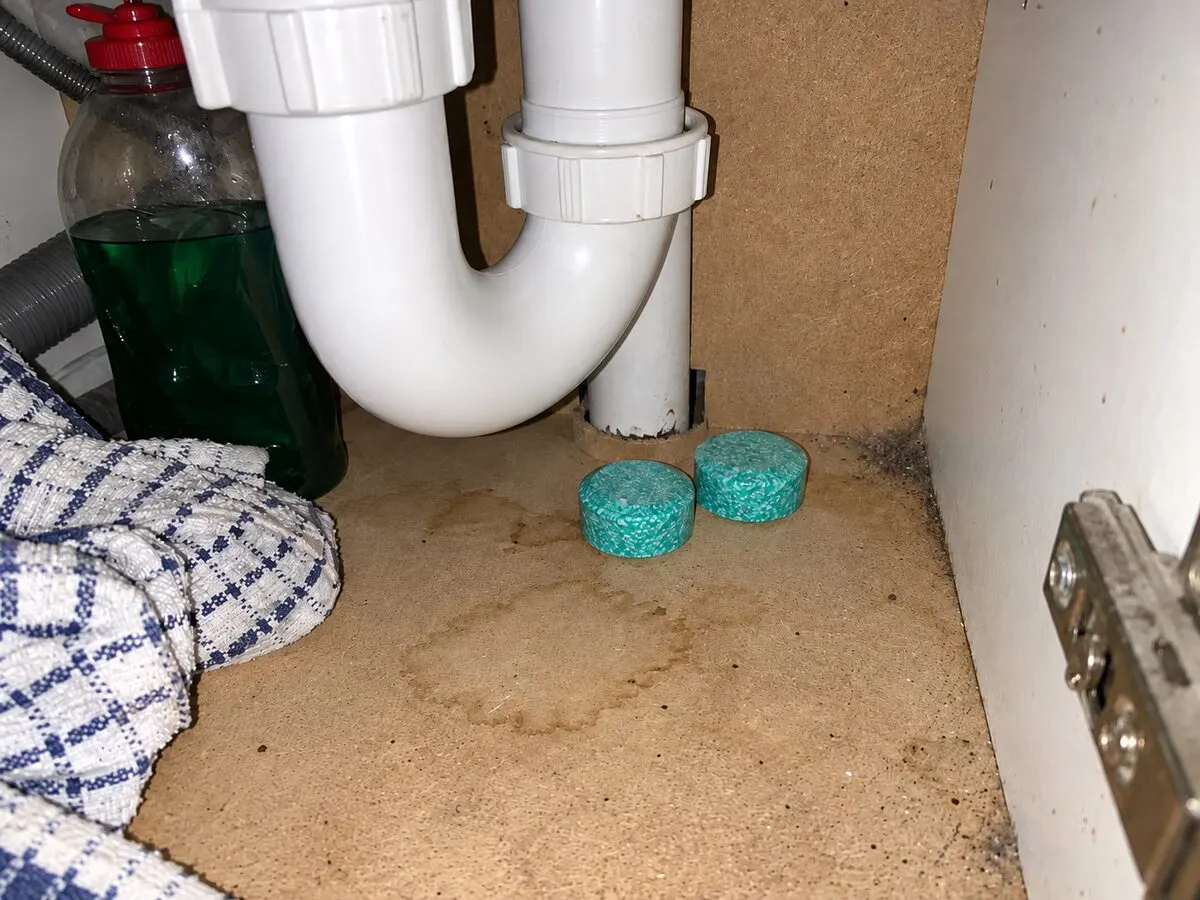
Signs to look for
- New droppings beneath units or near pipe routes, especially when they recur after safe cleaning; avoid handling them to estimate their age.
- Gnawed packets, spilled food or shredded material at the back of a cupboard, even if you have not seen an animal.
- Repeated scratching behind kickboards, combined with physical evidence rather than sound alone.
- Chewed appliance cables, leaks or damaged fittings, which need a competent tradesperson rather than a scent-only response.
Deal with food and contamination first
Finding droppings near breakfast supplies is upsetting, but a clear sequence helps. Keep children and pets out of the affected area, avoid touching droppings and check food packaging for damage. Discard food that may have been contaminated. Move unaffected food into intact sealed containers and clean food-contact surfaces using suitable hygiene guidance and products.
Do not dry-sweep or vacuum suspected rodent droppings, which can spread contaminated dust. Seek appropriate cleaning advice, particularly for large deposits or inaccessible voids. Wear suitable protection for the task and wash hands afterwards. The NHS explains leptospirosis, which can be linked to infected animal urine; seek medical advice if you become unwell after possible exposure.
What a kitchen scent deterrent can do
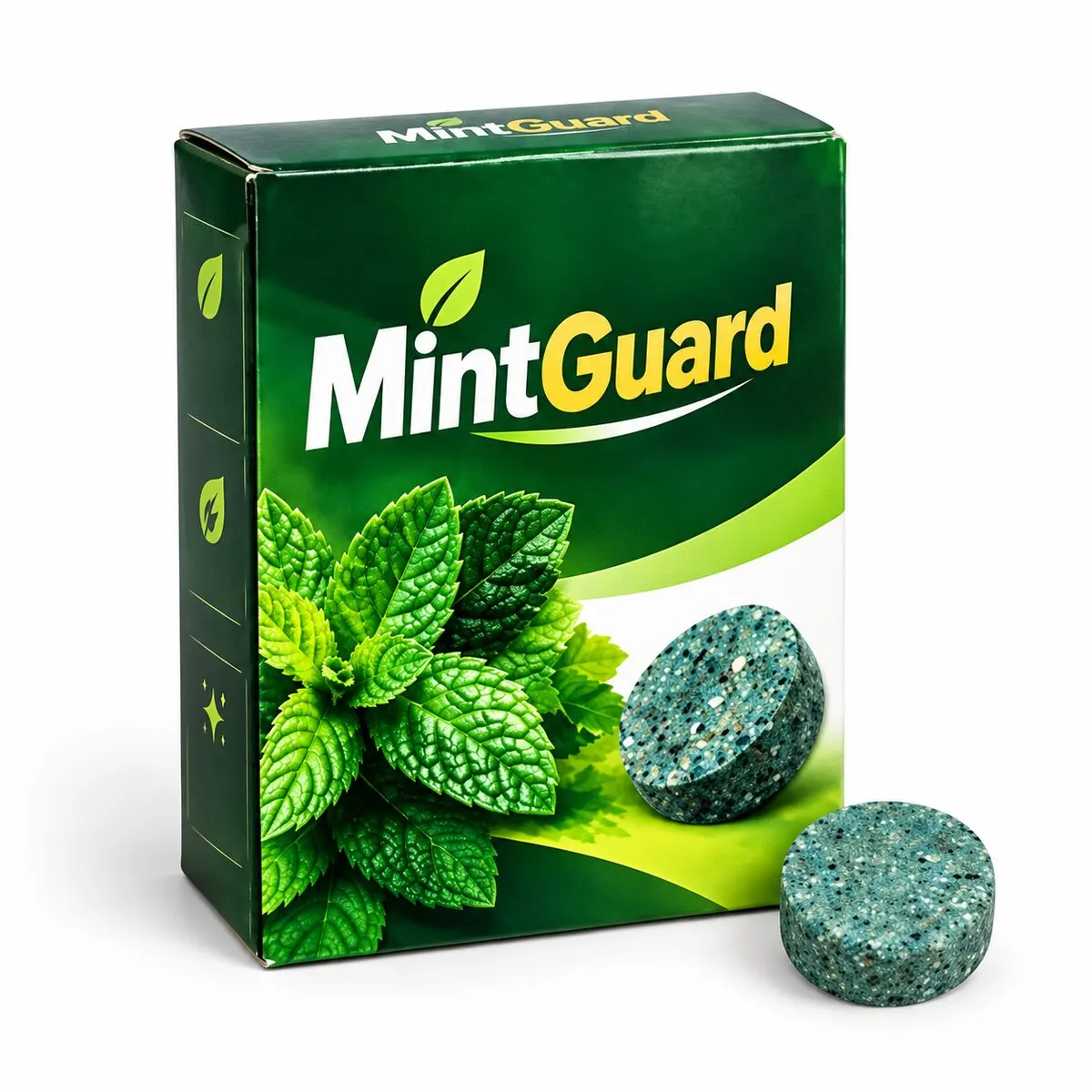
We are the MintGuard team, the makers of MintGuard, not an independent review panel. Our packs contain 12 slow-release solid balls made with peppermint, clove and castor oil. Each ball lasts 30 to 60 days. There is no poison, no trap and no need to plug anything in. These features do not remove the need for sensible handling.
Evidence on scent is mixed. A kitchen has hidden pipe routes, warm appliances and competing food smells, so no scent can honestly be presented as guaranteed control. Use MintGuard only as an optional addition to food protection, monitoring and proofing. Do not put it in food cupboards just because droppings were found there; product placement must remain separate from food and utensils.
A food-first kitchen placement plan
- 1Protect food and arrange safe cleaning before placing anything. Keep children and pets away from suspected contamination and inspect packaging without spreading debris.
- 2Identify accessible routes around units or service entries. Do not move gas appliances, dismantle fixed equipment or reach near exposed wiring to investigate.
- 3Read the product label and choose only permitted stable locations separated from food, utensils, worktops and food-contact surfaces. Avoid heat, electrical parts and anything that might leak.
- 4An under-sink or unit void is only a possibility if it meets every safety requirement and remains inaccessible to children and animals. A cupboard door alone may not provide adequate protection.
- 5Record placement dates and check for movement and fresh signs. Replace each ball after 30 to 60 days as appropriate, but seek help promptly if droppings or food damage continue.
Inspect behind units without risking services
Possible entry routes include poorly finished pipe penetrations and gaps behind fitted units. Look from an accessible position with a torch rather than dismantling cabinets immediately. Photographs can help a pest professional plan the work. If you rent, tell the landlord or managing agent promptly and keep a record of recurring signs and suspected building defects.
Do not pull out a gas cooker, interfere with boiler fittings or remove fixed electrical appliances to place repellent. Use an appropriately qualified tradesperson where services are involved. A hidden space is not automatically a safe space: heat, electrical connections, leaks and pet access through loose kickboards can all make a proposed position unsuitable.
Proofing checklist
- Inspect service penetrations and use suitable durable repairs around identified access routes. Avoid damaging pipes, cables or appliance connections.
- Check external wall gaps as well as internal cupboard openings. Closing a visible cabinet gap alone may leave rodents elsewhere in the building.
- Keep required ventilation, boiler clearances and drainage unobstructed. Seek qualified advice before altering anything near gas or electrical services.
- Coordinate exclusion with control so animals are not trapped inside. In flats or terraces, ask whether shared service routes need a wider building response.
| Pack option | Price | Kitchen consideration |
|---|---|---|
| 1 pack / 12 balls | £39 | Check that suitable non-food placement is available first. |
| 2 packs / 24 balls | £69 | More stock is not a reason to place balls in food cupboards. |
| 3 packs / 36 balls | £89 | Each ball lasts 30 to 60 days; monitor more frequently. |
| 4 packs / 48 balls | £109 | £27.25 per pack; cleaning, repairs and control costs are separate. |
Mistakes to avoid
- Putting repellent beside bread, crockery or a chopping board. No poison does not mean suitable for contact with food or utensils.
- Leaving pet food out overnight or keeping damaged packets while expecting peppermint to remove the attraction.
- Treating a strong scent as proof the problem has ended, rather than checking for fresh signs and completing repairs.
- Moving a gas cooker or blocking boiler ventilation to reach a hidden route. Pest prevention must never compromise appliance safety.
Right for you if…
- Households wanting an optional no-power scent measure alongside food hygiene, monitoring and planned proofing.
- Kitchens with genuinely suitable label-permitted non-food locations inaccessible to pets and children.
Not right if…
- Food cupboards, worktops, utensils or placement beside hot and electrical appliance components.
- Replacing safe cleaning, treating contaminated food or resolving recurring activity without a control plan.
When to call a professional
- Contact a pest professional promptly if signs recur, food is repeatedly contaminated, rats are suspected or the route cannot be inspected safely.
- Get qualified help for damaged appliance cables, pipework or gas fittings. A repellent cannot make contaminated food or damaged equipment safe.
- Ask for building-wide coordination where activity may involve neighbouring properties or communal service voids. Renters should report the issue and check responsibilities rather than delaying action.
Keep food safety at the centre of your plan
If suitable placement is available, find MintGuard at mintguard.co.uk, our official shop. We offer secure checkout, tracked UK delivery and a 90-day money-back guarantee. We are the makers, and we do not recommend scent as a substitute for hygiene or professional control.
From £27.25 a pack · 90-day money-back · Tracked UK delivery
Official MintGuard prices
As listed on mintguard.co.uk. If the price changes, the shop's price applies.
1 pack · 12 balls
£39.00 per pack
£39
£782 packs · 24 ballsMost popular
£34.50 per pack
£69
£1563 packs · 36 balls
£29.67 per pack
£89
£2344 packs · 48 ballsBest value
£27.25 per pack
£109
£312
Common questions
What is the best mouse repellent for a kitchen?
The most useful starting point is food protection and a plan to control activity and repair entry routes. Scent is optional and has mixed evidence. Choose any product by its label and safe placement requirements, not a promise that fragrance alone clears mice.
Can I put MintGuard in a food cupboard?
Keep it away from food, utensils and food-contact surfaces. Do not place it beside cereal, bread or crockery. Only consider a clearly suitable label-permitted non-food location that children and pets cannot reach, or choose another prevention approach.
How do mice get into kitchen cupboards?
They may use gaps around pipes and cables or routes behind fitted units. The visible cupboard gap may be only part of the problem. Inspect safely and consider the exterior of the building or shared service spaces when planning repairs.
Is peppermint mouse repellent safe around cats?
Do not assume that natural ingredients are automatically safe for cats. PDSA explains essential-oil risks, and products must be kept inaccessible and used as labelled. Ask your vet about your pet's circumstances; avoid placement if access cannot be controlled.
Should I block a mouse hole under the sink?
Durable proofing matters, but check the route and coordinate with control so animals are not trapped inside. Do not damage pipework or block required ventilation. Use a competent tradesperson for awkward service penetrations or suspected leaks.
What should I do after finding mouse droppings on a worktop?
Keep food preparation away from the area, discard potentially contaminated food and follow suitable safe-cleaning guidance. Do not dry-sweep or vacuum droppings. Arrange an inspection if signs recur, and seek medical advice if illness follows possible exposure to rodent urine.
Only buy MintGuard from mintguard.co.uk
Copycat sites and look-alike listings use our photos. They aren't covered by the 90-day money-back guarantee. How to spot a fake