Quick answer
The strongest starting point for a natural rat-repellent plan is practical prevention: remove accessible food, repair entry routes and reduce shelter. Peppermint and clove scent products are optional additions; evidence is mixed and they need keeping fresh alongside proofing. Natural does not mean safe to swallow or guaranteed to work. We make MintGuard, and recommend professional assessment rather than scent alone for rats established indoors.
Signs to look for
- Fresh damage to feed sacks or food packaging is a reason to secure supplies and investigate, not simply add a mint plant beside the sack.
- Repeated droppings or scratching inside a building need identification and a plan for active animals. Avoid prolonged home-remedy trials while signs continue.
- Burrows, disturbed soil or recurring outdoor sightings should prompt a look at food and shelter across the area, including bins, compost arrangements and stored materials.
Natural rat repellent: decide what you want to avoid
For many households, natural means avoiding loose poison around pets or wildlife. That is a reasonable concern, but it does not tell you whether a particular oil, powder or plant will deter rats. Read the ingredients and instructions rather than relying on a green label. Concentrated natural substances can still need careful storage and handling.
Clarify the goal as well. Discouraging a visitor from a store is different from clearing rats living behind a kitchen wall. A poison-free approach can include professional inspection, physical repairs and appropriately managed control. Asking for non-poison options does not mean you must try every home remedy before seeking expert help.
Peppermint oil for rats: mixed evidence, practical limits
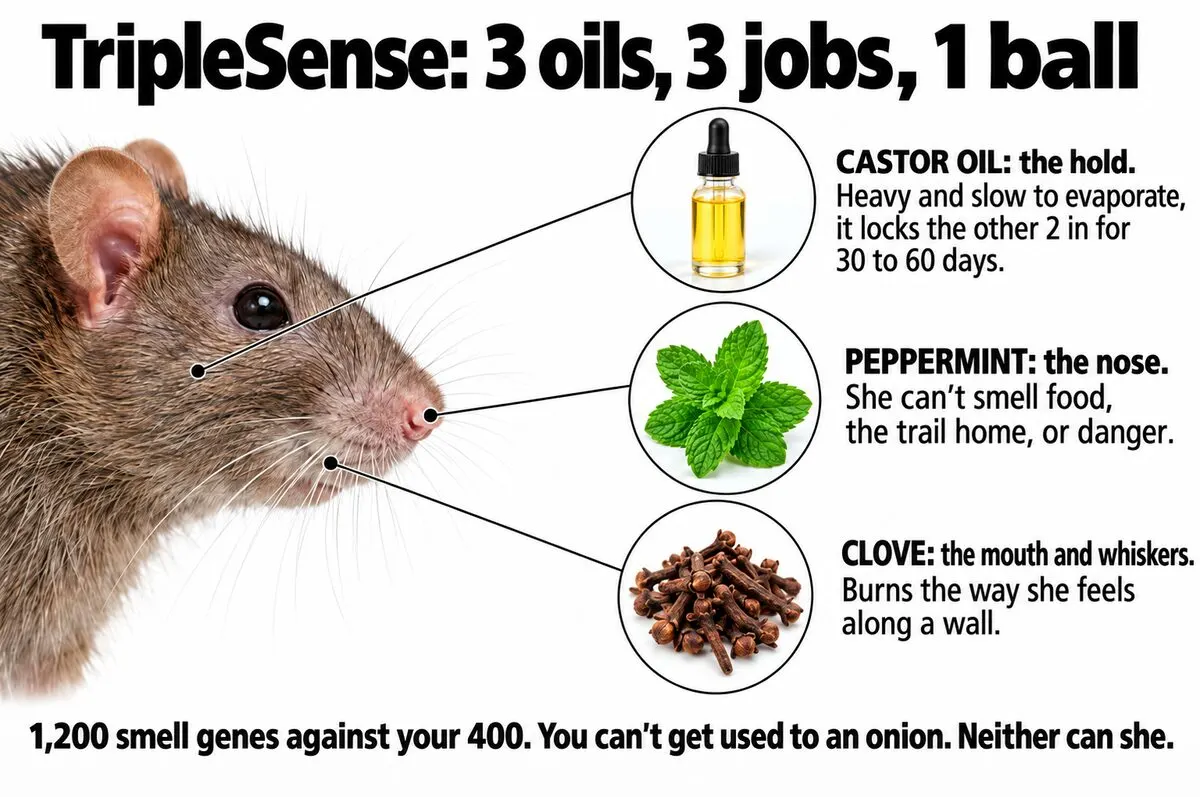
Peppermint and clove are commonly used in scent deterrents, but there is no honest basis here for calling peppermint scientifically proven household rat control. A laboratory response to an odour, where reported, would not automatically tell you whether a rat will abandon accessible food in a real building. Conditions and alternatives matter.
DIY oil applications also need a suitable surface and application method. Neat oil can expose people or pets to concentrated ingredients and may damage finishes. Do not pour it into wall cavities, drains or burrows. If you choose a prepared product, follow its label rather than assuming a stronger homemade mixture must work better.
Do vinegar, bleach, mothballs or mint plants repel rats?
Neither a kitchen bottle nor a strongly scented garden is a dependable boundary. Growing mint does not remove spilled seed, a broken bin lid or a gap into a shed. Vinegar is not a structural barrier, and repeatedly wetting a route with household liquids is not an adequate response to established rat activity.
Do not improvise with bleach or mothballs as rat repellents. Use household chemicals only for their intended labelled purpose and never mix cleaning products. Avoid chilli or other irritating powders where animals and children could contact them. The aim is a practical prevention plan, not replacing a poison concern with a different uncontrolled exposure.
Use natural scent cautiously around a rat-prevention plan
- 1Remove accessible food and arrange an assessment for indoor or repeated rat activity. Record the evidence before making changes so the professional can understand the route.
- 2Choose positions permitted by the product label where children and animals cannot reach the balls. Avoid feed containers, nesting materials, hot surfaces and anywhere oils could contact water or soil unnecessarily.
- 3Record dates and check for fresh activity independently of fragrance. Replace within the stated 30-to-60-day life where appropriate, but escalate continuing signs rather than increasing exposure.
What MintGuard adds to a poison-free rat plan
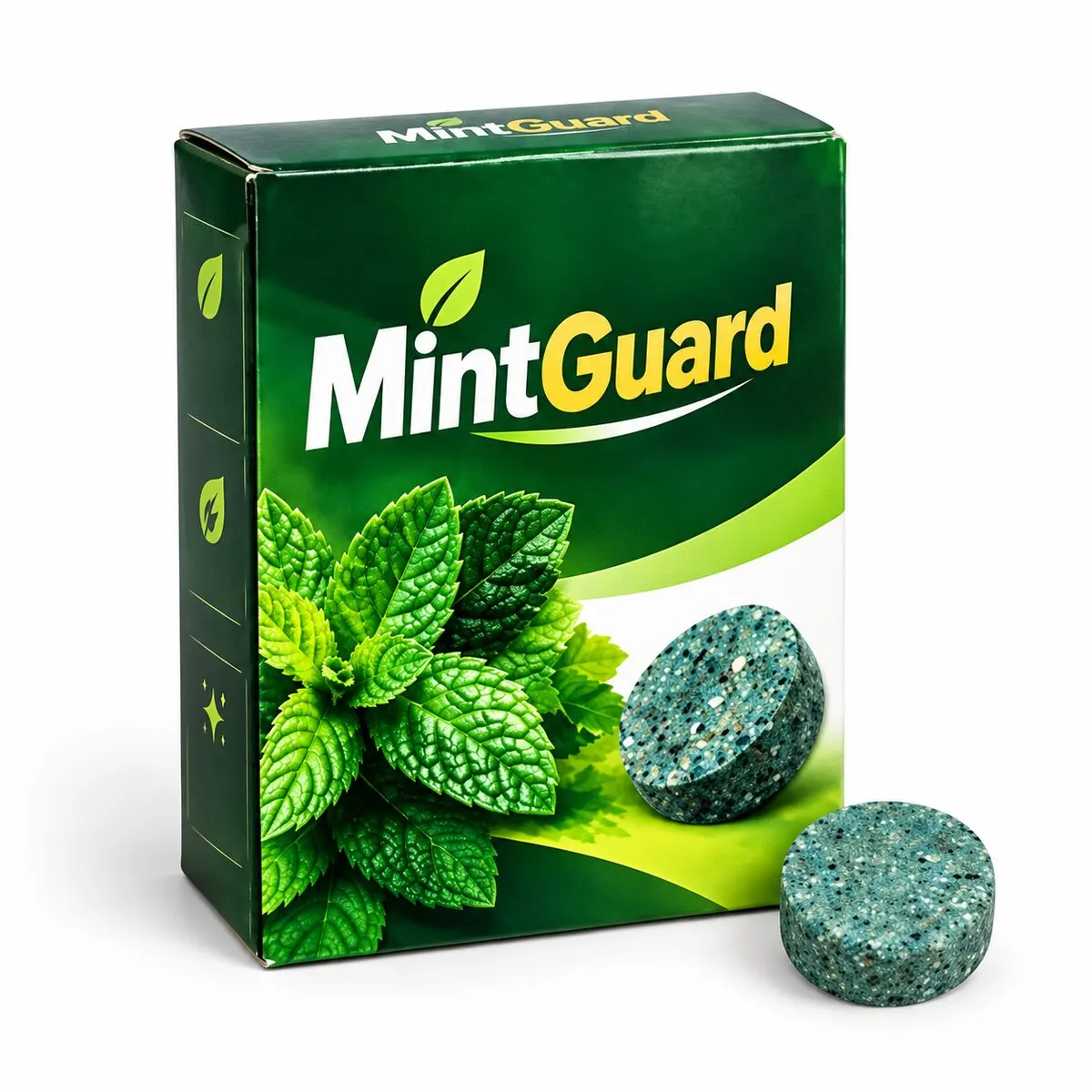
MintGuard provides 12 solid balls containing peppermint oil, clove oil and castor oil for slow release. Each has a stated life of 30 to 60 days. There is no poison, no trap and nothing to plug in. This can be convenient for a suitable enclosed storage area, provided safe, label-compliant placement is possible.
Convenience is not proof of effectiveness against an infestation. We make the product and do not present this page as an independent test or promise of clearance. Put inspection, food control and proofing first. If a professional is already involved, discuss any additional product before placing it where it could complicate monitoring or treatment.
Natural rat-repellent prices and repeat purchases
MintGuard costs £39 for one pack, £69 for two, £89 for three and £109 for four. The four-pack bundle is £27.25 per pack. Do not compare that with an oil bottle on price alone: application, repeat purchases and safe placement differ. Neither purchase includes structural work or professional clearance.
Proofing checklist
- Secure bin lids and animal feed. Manage fallen bird seed and avoid leaving pet meals outside overnight; do not rely on scent to outweigh a reliable food supply.
- Repair shed bases, damaged doors and service openings using durable, suitable materials. Get advice before closing a route if animals may already be inside.
- Investigate drain defects professionally and keep ventilation intact. A natural product cannot repair either problem, and an improvised blockage may create further damage.
| Option | Indicative four-month budget | What to allow for |
|---|---|---|
| MintGuard, 12 balls deployed at a time | £69 for two packs to £109 for four packs | Using all 12 balls together is only an example; a larger collection of stores changes the number of packs needed. Two complete sets cover about 120 days only if each lasts 60 days; four sets are needed at 30 days. Individual balls last 30 to 60 days. |
| DIY scent supplies | Typically around £5–£15 per bottle | Repeat purchases depend on bottle size, placement and refresh frequency. This is not a four-month performance guarantee. |
| Ultrasonic unit | Typically around £10–£30 per unit, plus electricity | More than one room may need separate units. Buying hardware does not establish that it will control activity. |
| Basic proofing materials | Typically around £10–£40 for small DIY jobs | A one-off materials allowance, not labour, drainage repairs or a whole-house quotation. |
Mistakes to avoid
- Equating natural with harmless to cats, dogs or children. Keep concentrated oils and scent products inaccessible and contact a vet immediately if poisoning is suspected.
- Assuming poison-free means no professional involvement. An inspection can help you choose appropriate options without promising that scent alone will clear rats.
Right for you if…
- People wanting an optional prepared scent product while prioritising food control, suitable repairs and careful placement around the household.
Not right if…
- A substitute for treating rats already established indoors, a safe-to-eat product, or an all-weather barrier around a garden.
When to call a professional
- Rats are indoors, damage is continuing or the route is inaccessible. Ask about non-poison options and any welfare considerations at the inspection.
- There is extensive contamination or a drainage concern. The NHS notes that leptospirosis can spread through infected animal urine, though it is rare in the UK; discuss safe clean-up rather than treating scent as hygiene protection.
Choose a practical poison-free extra
If a prepared scent product fits your rat-prevention plan, order through mintguard.co.uk with tracked UK delivery, secure Shopify checkout and a 90-day money-back guarantee. Do not delay professional help for indoor activity.
From £27.25 a pack · 90-day money-back · Tracked UK delivery
Official MintGuard prices
As listed on mintguard.co.uk. If the price changes, the shop's price applies.
1 pack · 12 balls
£39.00 per pack
£39
£782 packs · 24 ballsMost popular
£34.50 per pack
£69
£1563 packs · 36 balls
£29.67 per pack
£89
£2344 packs · 48 ballsBest value
£27.25 per pack
£109
£312
Common questions
What is the best natural rat repellent?
Begin with removing food and repairing access, not a smell. Scent can be an extra measure, but mixed evidence prevents an honest promise that one natural ingredient is best.
Does vinegar repel rats?
Do not rely on vinegar for rat control. It does not close gaps, remove a nest or reliably overcome food and shelter in a real property.
Do mint plants keep rats away?
A pot of mint is not a dependable barrier. It cannot compensate for spilled bird seed or building defects, and should not delay proper investigation.
Is peppermint oil safe for cats?
Do not assume it is safe because it is natural. Keep concentrated oil products away from cats and ask your vet about suitability, particularly where health conditions are involved.
Can I get rid of rats without poison?
Ask a qualified controller about the options for your situation. Inspection, sanitation and repairs matter, and active control must be appropriate, lawful and attentive to other animals.
How long does natural rat repellent last?
It depends on the product and conditions. MintGuard states 30 to 60 days per ball; that describes product life, not guaranteed prevention throughout that period.
Should I use bleach to deter rats?
No: do not repurpose a cleaning chemical as a rat treatment. Follow its cleaning label and never mix products. Deal with food, entry routes and active animals instead.
Only buy MintGuard from mintguard.co.uk
Copycat sites and look-alike listings use our photos. They aren't covered by the 90-day money-back guarantee. How to spot a fake